
How Much Would You Actually Pay for a Gallon of E-Fuel?
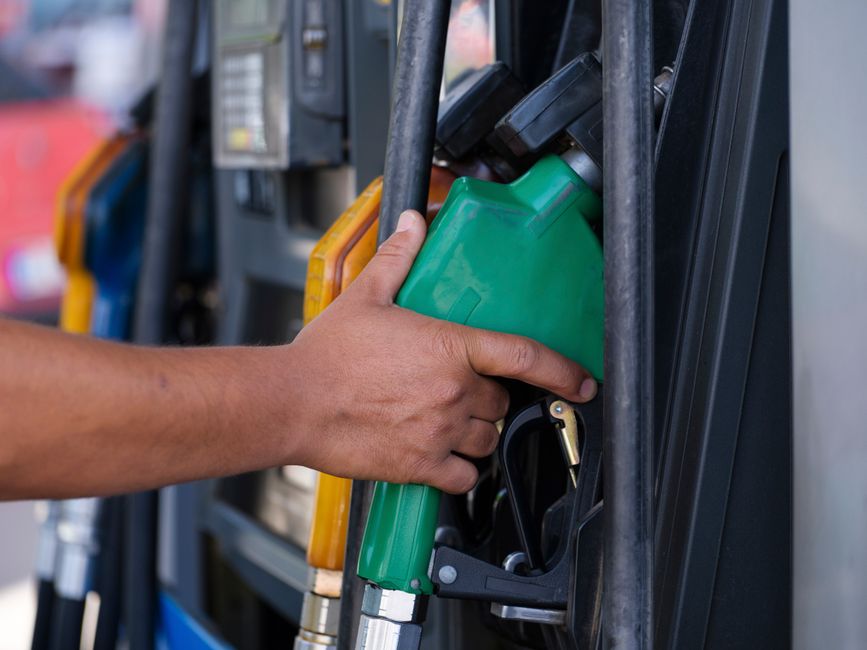
Synthetic fuels, often marketed as e-fuels, keep coming up as a way to keep combustion engines alive without leaning entirely on fossil crude. The idea is straightforward: capture carbon, combine it with hydrogen produced from renewable electricity, and refine the result into a liquid that drops into existing tanks and pipelines. Carscoops is asking readers the obvious follow-up question — what would you be willing to pay per gallon if that fuel actually showed up at your local pump?
The answer is messier than the marketing suggests. Producing e-fuels is energy-intensive at every step, from electrolysis to carbon capture, and the current economics put a gallon well above what drivers are used to paying for gasoline or diesel. Even generous projections tend to land synthetic fuel in a premium bracket that would make sense for aviation or motorsport long before it makes sense for a family hatchback.
That price gap is exactly why the debate keeps circling back to efficiency. Battery-electric drivetrains use a far larger share of the electricity they draw to move a car, while e-fuels lose most of that energy across the conversion chain. Supporters counter that not every use case can be electrified quickly, and that existing fleets and infrastructure have real value worth preserving.
So where does that leave the average driver? Probably watching from a distance. Until production scales up and costs come down, e-fuels look less like a replacement for petrol at the corner station and more like a niche solution for sectors that have no easy battery alternative. The question of what you would pay is, for now, largely hypothetical — but it is a useful way to gauge how much appetite there really is.
What do you think?