
How a Single Engineering Misstep Doomed the Oldsmobile Diesel
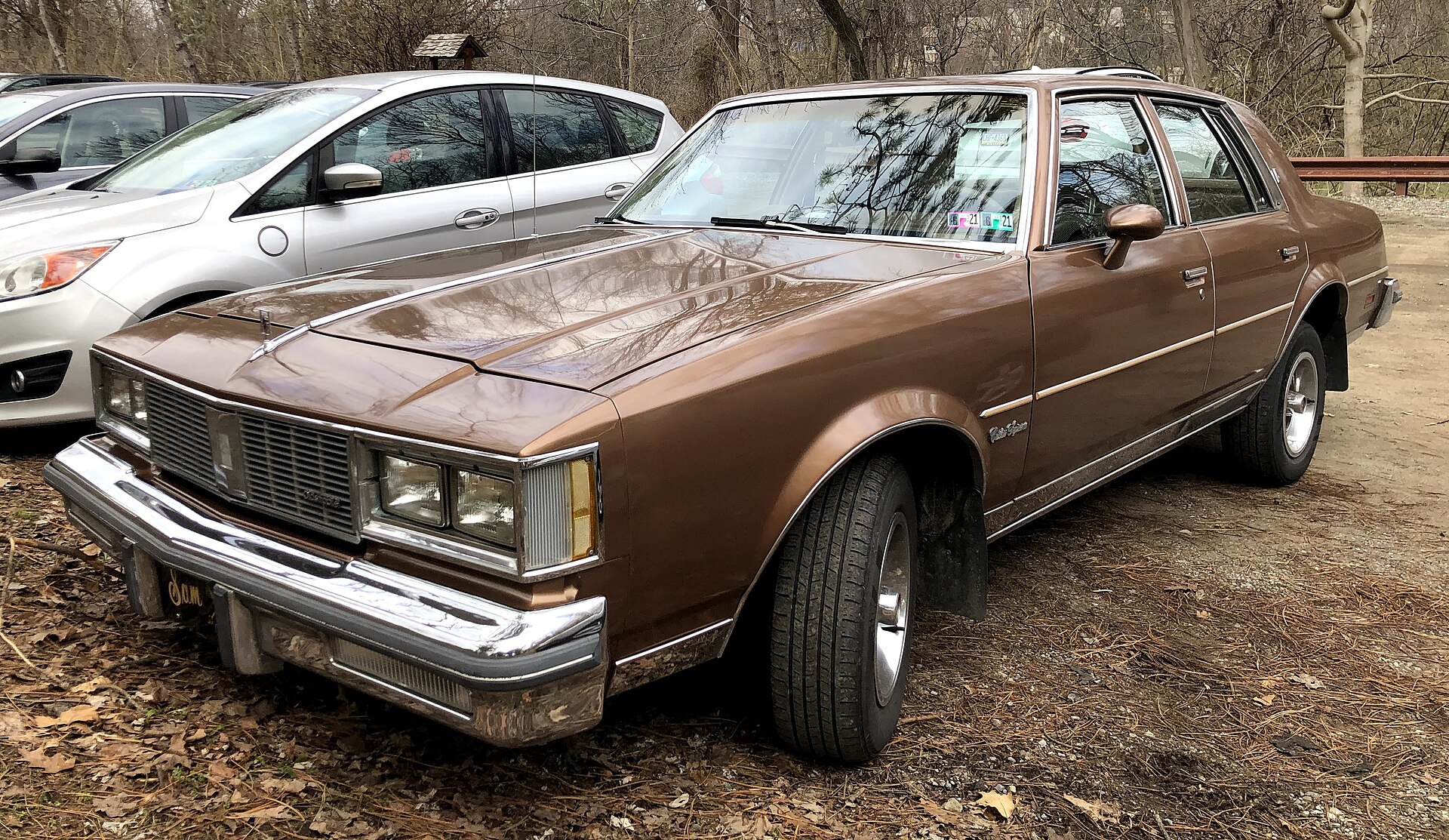
When Oldsmobile rolled out its diesel V8 in the late 1970s, it was supposed to be a fuel-saving breakthrough for American drivers. Instead, it became one of the most infamous engine failures in automotive history. The core problem wasn’t the diesel concept itself, but a catastrophic design choice that turned a promising idea into a reputation-destroying debacle.
The engine was essentially a converted gasoline V8, and that conversion introduced a fatal flaw. Critical components like the head bolts and head gaskets weren’t up to the task of containing diesel-level compression. The result was a cascade of failures: blown head gaskets, stretched bolts, and coolant leaks that left owners stranded and furious.
What made it worse was the timing. The diesel was rushed to market during a fuel crisis, and quality control suffered. Dealers were overwhelmed with warranty claims, and the engine’s bad reputation quickly spread. It didn’t take long for the Oldsmobile diesel to become a punchline, tarnishing the brand’s engineering credibility for years.
The legacy of this failure is a cautionary tale about shortcuts in engine design. It showed that you can’t simply adapt a gasoline engine to diesel duty without addressing the fundamental differences in pressure, heat, and durability. The Oldsmobile diesel remains a textbook example of how not to engineer a new powertrain.
What do you think?