
Honda Outsources India Car Development to Tata Technologies in Major Strategy Shift
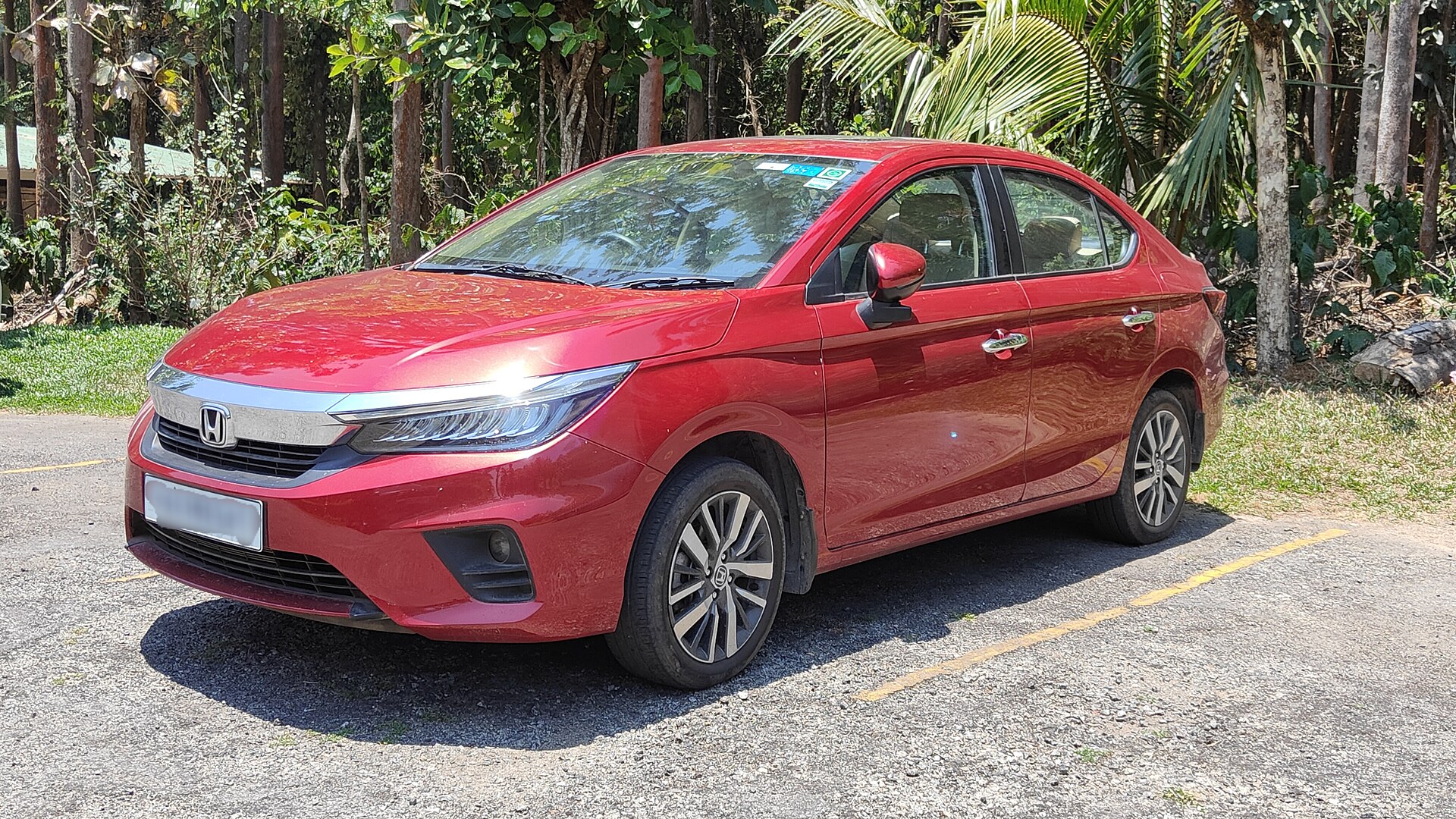
Honda Motor has taken the significant step of delegating the development of its future Indian market vehicles to Tata Technologies, according to sources familiar with the arrangement. This collaboration is designed to slash costs by as much as 20% and cut development timelines from roughly five years down to half that time. The move represents a substantial departure from Honda’s long-standing tradition of engineering independence, a strategy that has historically defined the corporation’s global identity. The urgency behind this decision stems from a dramatic erosion of Honda’s presence in India, where its market share has plummeted to just 1.3%, a steep fall from the 7.3% peak it enjoyed over a decade ago.
Internal friction reportedly contributed to the need for this restructuring. Japanese management favored retaining established suppliers to guarantee quality, while the local Indian team advocated for local sourcing to achieve cost reductions and faster turnarounds. This deadlock resulted in product delays. Honda has publicly denied any internal disagreement, yet acknowledged that its lineup had failed to deliver sufficient value for money to Indian consumers. Under the new agreement, Tata Technologies will leverage its deep connections within the local supplier network and its understanding of regional consumer preferences. However, Honda will maintain strict oversight of quality, technology, connectivity, and advanced driver-assistance systems (ADAS).
The first vehicle to emerge from this partnership is slated to be a sub-compact SUV arriving in 2028. This will be followed by a midsize SUV and an eventual attempt to rejuvenate Honda’s sedan offerings in the region. Currently, Honda’s Indian portfolio has dwindled to only four models, leaving it with a minimal footprint in the SUV segment, which is the nation’s largest and fastest-growing category. Local competitors like Tata Motors and Mahindra, along with new entrants such as VinFast and various Chinese brands, have rapidly captured market share by offering affordable, mass-market vehicles. Honda’s previous approach of adapting global or Japanese-market designs often resulted in cars perceived as over-engineered and prohibitively expensive for local buyers.
This strategic reset occurs against a backdrop of broader financial retrenchment for Honda. The company anticipates cumulative electrification-related losses exceeding US9 billion in cost savings over the next four years. India, the world’s third-largest car market and still largely insulated from Chinese EV competition, remains Honda’s only major emerging market. Success with the 2028 SUV could potentially transform India into an export base for the automaker.
Even with a halved development cycle of approximately two and a half years, Honda would still lag behind Chinese automakers, who often launch new models in under two years. This partnership effectively acknowledges that Honda’s traditional global engineering model cannot produce vehicles that Indian buyers want at prices they are willing to pay. It signals a need for local judgment over Japanese control. At a 1.3% market share, merely matching competitors on price and features may not be sufficient to restore Honda’s relevance in India, making the 2028 SUV a critical test of the company’s ability to adapt.
What do you think?