
Hawaiʻi Weighs an LNG Bridge With a Costly Exit Ramp
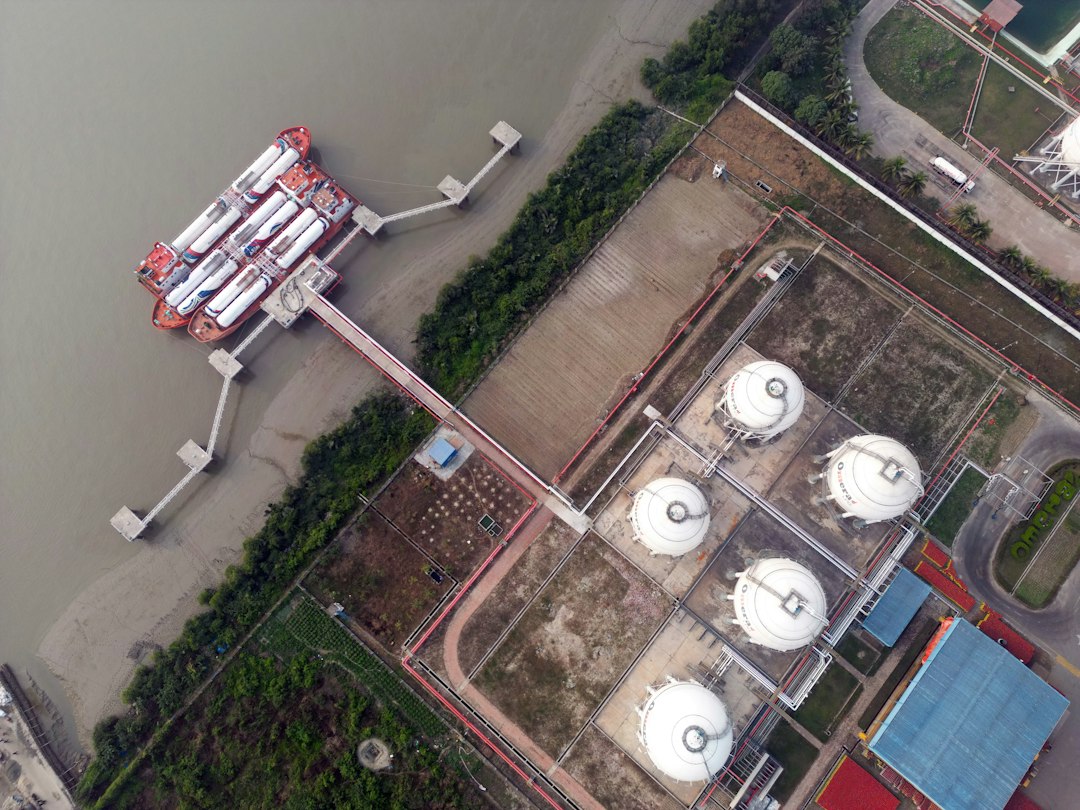
Hawaiʻi’s push to import liquefied natural gas to Oʻahu rests on a simple pitch: swap oil for LNG for a while, trim generation costs, and buy time to scale up renewables. The catch is that state law gives electric utilities until 2045 to reach 100% renewable generation, which turns any fossil “bridge” into a bet on how quickly it can be walked back — and at what price.
The problem with bridges is that they are built to be crossed, not abandoned. LNG infrastructure arrives with long-term contracts, terminal capacity, and fuel-handling equipment that only pencils out over decades. If the 2045 mandate holds, ratepayers could end up paying for an asset that has to be retired well before it is paid off, leaving a stranded-cost tab that no one has budgeted for.
The cleaner alternative under discussion is green ammonia, produced with renewable electricity, which can be burned in modified turbines and stored far longer than batteries can hold a charge. That flexibility matters on an island grid with no interstate transmission to lean on. The trade-off is that green ammonia remains expensive today, and its handling and combustion raise safety and efficiency questions that LNG does not.
None of this means LNG is automatically the wrong call. It means the decision cannot be framed only around near-term fuel prices. A genuinely useful comparison would weigh the full lifetime cost of each path — including the possibility that emissions rules tighten further before 2045 — against the value of grid reliability in the interim.
For now, the debate is less about whether Hawaiʻi needs a stopgap than about who carries the risk if that stopgap becomes a dead end. That is the expensive exit the state is trying to price before it commits.
Photo: Serzill Hasan on Unsplash (Unsplash License)
What do you think?