
Hainan Holds Firm: 2030 Ban on New Petrol Vehicle Sales Stays in Place
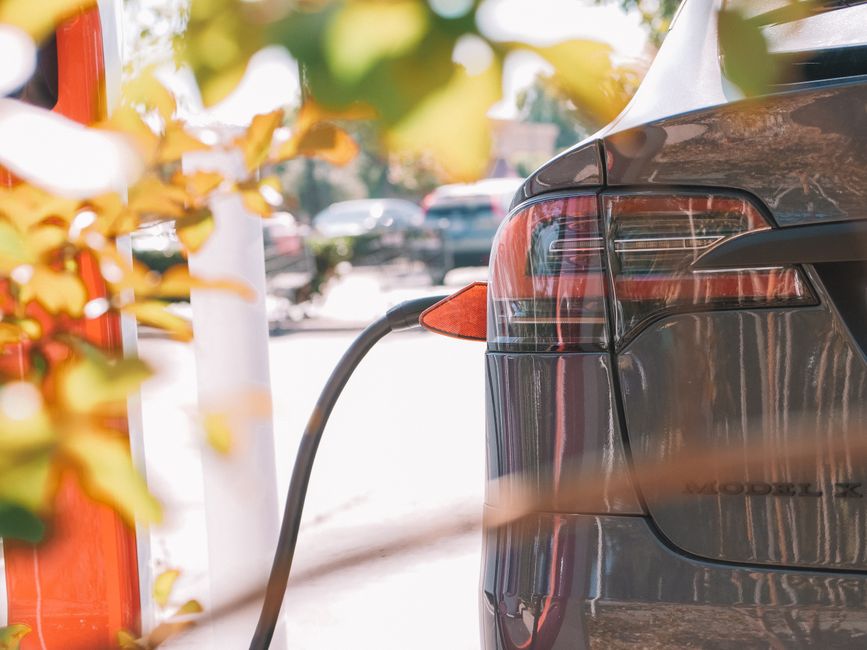
China’s southern island province of Hainan has reaffirmed its commitment to ending sales of new petrol-powered vehicles by 2030, according to the South China Morning Post. The province is holding steady on its timeline despite any broader shifts in national policy, signaling that the transition away from internal combustion engines is a long-term priority rather than a flexible target.
The 2030 deadline applies to new sales of petrol vehicles, pushing the island toward a fully electric or otherwise zero-emission new-car market within the decade. As a popular tourist destination with a contained geography, Hainan has often been treated as a testing ground for China’s clean-energy ambitions, and its firm stance could serve as a template for other regions weighing similar restrictions.
For automakers and dealers, the message is clear: planning for an electrified future in Hainan is not optional. The province’s decision also adds pressure on the broader Chinese auto market to accelerate the shift, even as petrol and diesel models continue to dominate sales in many other parts of the country.
While the article does not spell out specific enforcement mechanisms or interim benchmarks, the reaffirmation itself is notable. It suggests that local officials are confident in the infrastructure and supply chain needed to support a petrol-free new-car market by the end of the decade, and that they see no reason to soften the plan.
What do you think?