
Google Patents an Autonomous System That Watches You as Much as the Road
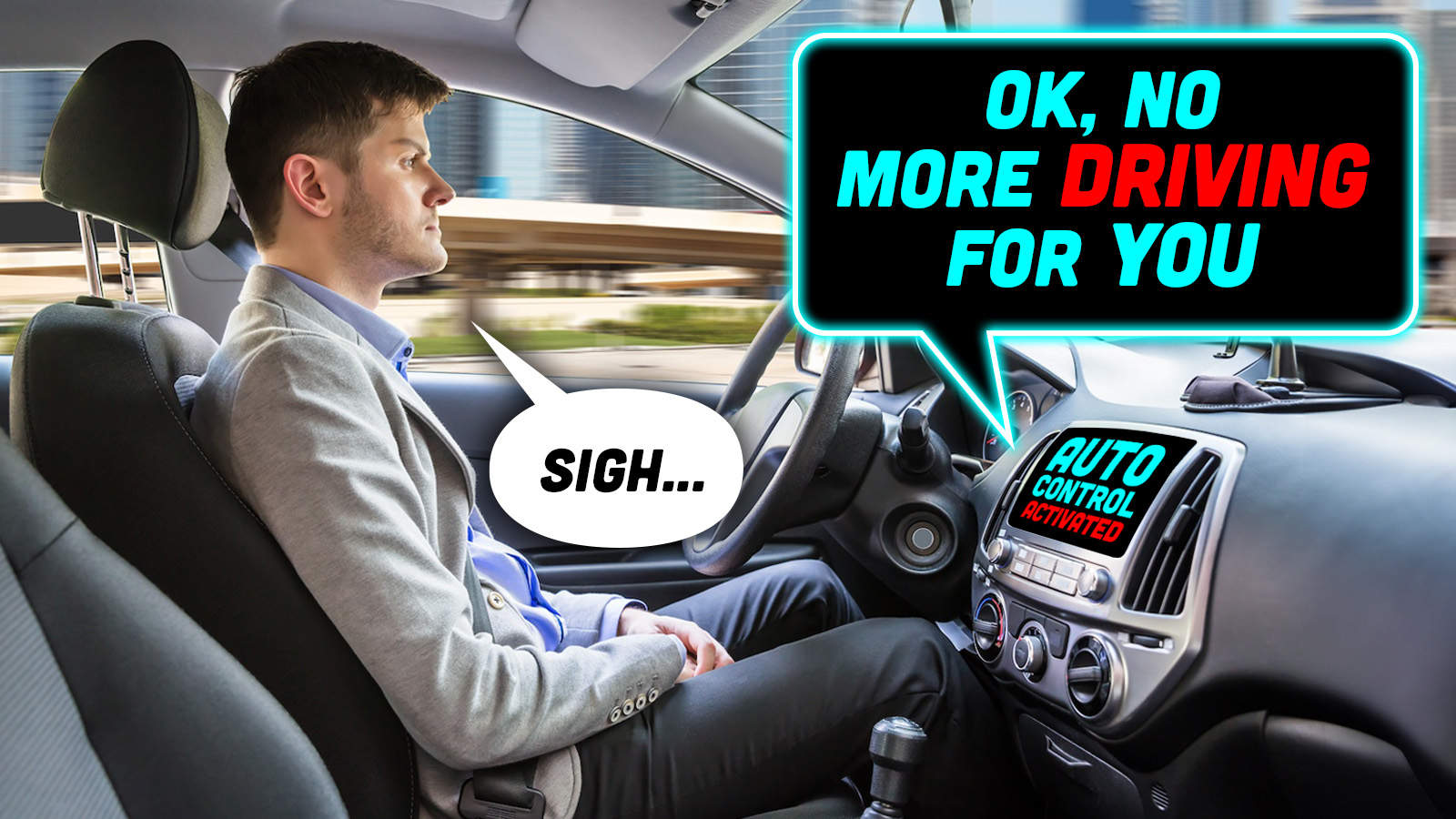
A newly surfaced patent filing from Google sketches out an autonomous driving concept that blends vehicle control with close observation of the people inside the cabin. Rather than focusing purely on what is happening on the road, the system described in the document would continuously read the behaviour and state of the driver and passengers, then fold that information into how the car itself behaves. The result is a vehicle that does not just see traffic, it also reads the room.
In plain terms, the idea belongs to a broader category of driver-monitoring and occupant-awareness technology. Cameras and sensors already common in modern cars can track eye movement, head position and facial cues to judge whether a driver is attentive. Google’s proposal appears to extend that logic well beyond simple drowsiness alerts. According to the patent, the vehicle would adjust its own driving decisions based on what it detects about the people riding in it, effectively making the human state a variable in the autonomous software stack rather than a separate warning feature.
The arrangement raises an immediate question: where is the line between safety assistance and surveillance? A car that can tell when you are anxious, distracted or arguing with a passenger, and then changes lanes or slows down because of it, sounds genuinely useful in some scenarios. It also sounds like a machine that never stops paying attention to you, which is the part likely to make readers uncomfortable. The technology sits at a crossroads between two trends that have been accelerating at once: automakers packing cabins with occupant-monitoring sensors, and software companies pushing deeper into the vehicle’s decision-making layer.
For Google, whose name is tied to advertising and data-driven services, the patent inevitably invites speculation about what happens to the information such a system gathers. The filing itself does not resolve that question, and it is worth remembering that patents are declarations of intent, not products. Many never make it into a shipping vehicle. Still, the document offers a clear signal about the direction of autonomous software research: the next front is not only the world outside the windshield, but the behaviour of the humans behind it.
Whether this particular concept ever reaches a production car is an open question. What it does show is that the industry is moving toward autonomy that factors in human context, not just obstacle detection. That shift could make self-driving systems safer and more responsive — and, depending on how the data is handled, considerably more invasive.
What do you think?