
GM Says It's Not Backing Off EVs, Fourth-Gen Platform Incoming
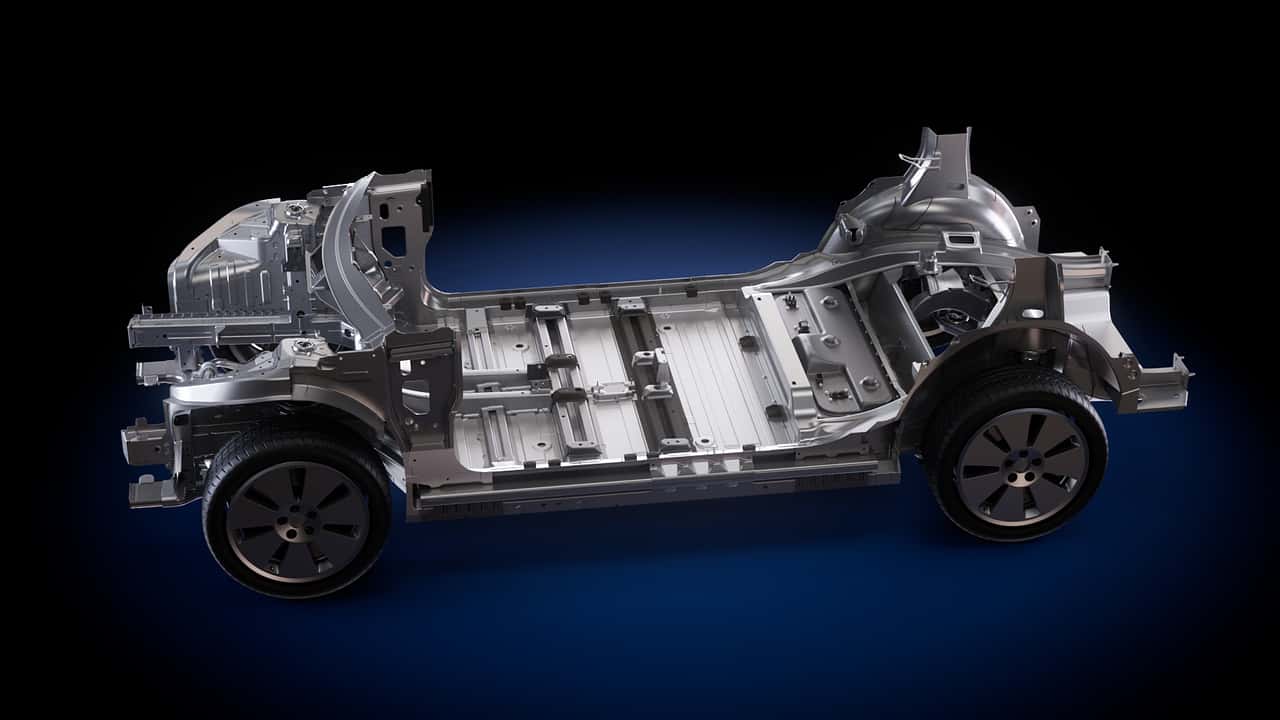
General Motors wants to set the record straight: it is not retreating from electric vehicles. At a New York tech briefing dubbed “GM Forward,” company president Mark Reuss said the automaker remains fully committed to battery-powered cars — and a new fourth-generation EV platform is on the way.
The message lands at an awkward moment. Ultium, GM’s current EV architecture, has underwhelmed against internal targets, and the company has been forced to rethink its approach. Gas-powered trucks are back in the spotlight, Bolt production is wrapping up short of planned volumes, and the Honda-badged models built on Ultium are no more. To plenty of observers, that looked like a quiet retreat.
Reuss framed it differently. “We’re a global company; one of every four vehicles sold around the world is [an EV], and that number is only rising,” he said. “We’re not walking away from that. We’re embracing it.” He added that GM will keep developing future EVs while working to push battery costs down, and that when American buyers are ready to go electric at scale, the company intends to have product waiting.
What The Fourth-Gen Platform Brings
Details remain thin — GM circulated a rendering of the new chassis but little else. What we do know:
- Cell chemistry: The platform runs on lithium manganese-rich (LMR) cells, which GM bills as cheaper than today’s lithium-iron phosphate (LFP) packs.
- Cost target: Lower battery expense on both the manufacturing and consumer side is the whole point.
- Computing: A new centralized computing architecture underpins the vehicles.
- Positioning: The platform is aimed squarely at mainstream, high-volume adoption rather than niche flagships.
The core bet: GM argues LMR chemistry can undercut LFP on cost — a claim that, if it holds up at scale, changes the math for affordable EVs.
The broader logic Reuss leaned on is hard to argue with. EV uptake keeps climbing worldwide, and in some European markets electric models already outsell combustion cars. GM sees the same pattern in China, where electrified vehicles far outnumber pure ICE ones. Slower US demand, in that reading, is a temporary dip rather than a change in direction.
No launch timeline was shared at the event. Still, GM’s framing suggests more concrete details will surface before long. Whether the fourth-generation platform can deliver where Ultium fell short — on cost, volume and buyer enthusiasm — is the question that will define the next phase of the company’s electric push.
Until then, the automaker’s stance is clear: it’s staying in the game.
Source: InsideEVs
Curious how this compares to other EVs? Try our comparison tool →What do you think?