
Germany's VDA Calls for Urgent Action on Truck Charging Networks
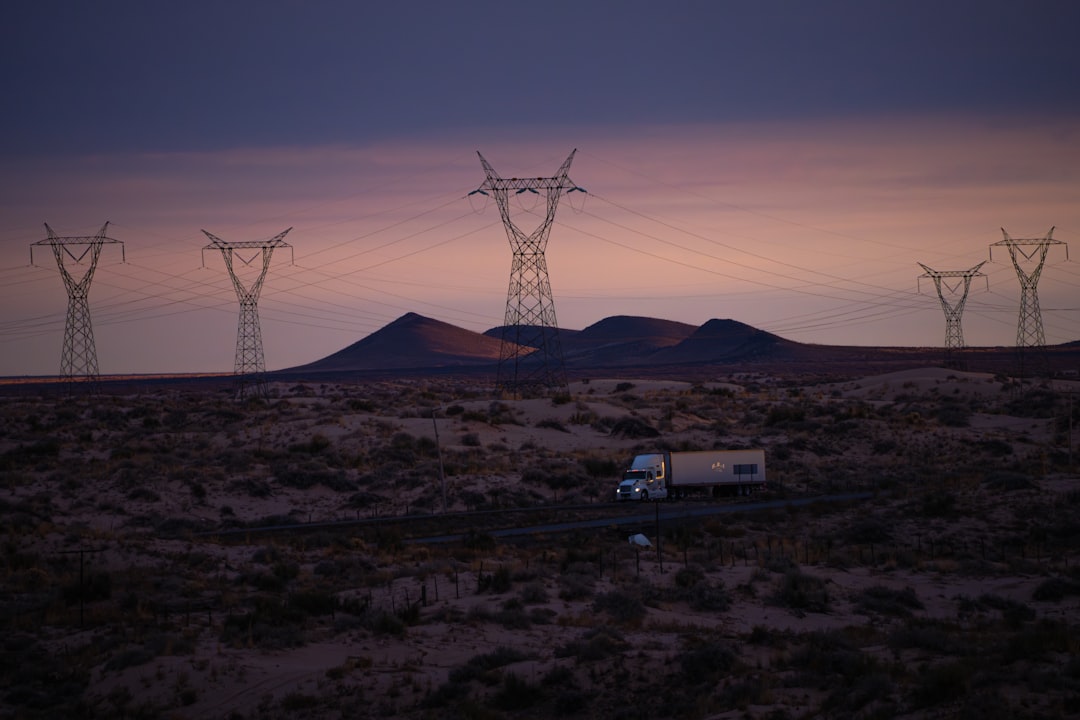
Inconsistent policies concerning vehicle CO₂ reduction and the build-out of charging infrastructure have created a significant bottleneck for the electrification of trucking fleets. While manufacturers have successfully developed and launched zero-emission trucks, the necessary high-capacity charging network to support them remains largely absent. This disconnect threatens to stall the progress of the heavy-duty transport sector’s green transition.
The German Automotive Industry Association (VDA) has raised the alarm, underscoring that government strategies for truck decarbonization must be aligned with tangible infrastructure deployment. The challenge is not only about installing more charging points but ensuring they are high-powered, accessible, and strategically located along major freight routes. Without these, long-haul electric trucks cannot operate reliably, undermining their viability for logistics operators.
To bridge this gap, the VDA emphasizes the need for synchronized planning among policymakers, grid operators, and manufacturers. The current pace of grid enhancements and permitting processes is too slow to keep up with the projected surge in battery-electric vehicles entering the market. Streamlining construction approvals and investing in grid capacity are seen as urgent priorities to avoid a future where capable trucks are idle for lack of electricity.
As Europe accelerates its regulatory framework for clean mobility, the lesson is clear: advancing vehicle technology without matching energy delivery systems creates an illusion of progress. A cohesive national and EU-level approach, with binding targets for fast-charging infrastructure, is essential to ensure that the trucks rolling off production lines today have the power they need tomorrow.
What do you think?