
Germany's Biofuel Bet: A Pragmatic Path for Combustion Engines?
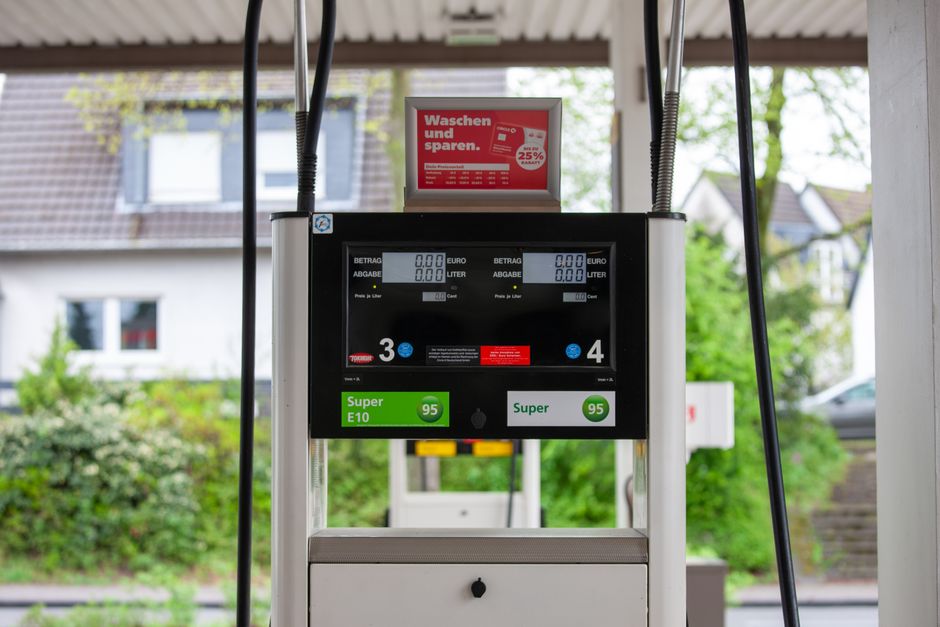
Germany is exploring a controversial route to keep internal combustion engines on the road: synthetic fuels and biofuels. According to Politico, Berlin is pushing for these alternatives as a way to reduce emissions without fully phasing out gas and diesel cars. The plan, however, is not as green as it sounds—experts warn that biofuels often come with their own environmental costs, from land use to production emissions.
The debate intensifies as the EU works toward its ambitious climate targets, including a de facto ban on new combustion engine cars by 2035. Germany’s proposal could water down those goals, potentially extending the life of traditional engines. Critics argue it’s a delay tactic, while supporters see it as a necessary bridge for sectors where electrification is slower, like heavy transport.
While the article doesn’t provide exact figures or statements, it underscores a growing tension between short-term fixes and long-term sustainability. As the automotive industry pivots toward electric vehicles, Germany’s stance could shape the future of mobility in Europe—and beyond.
What do you think?