
France's Tariff Strategy Could Land It a BYD Factory
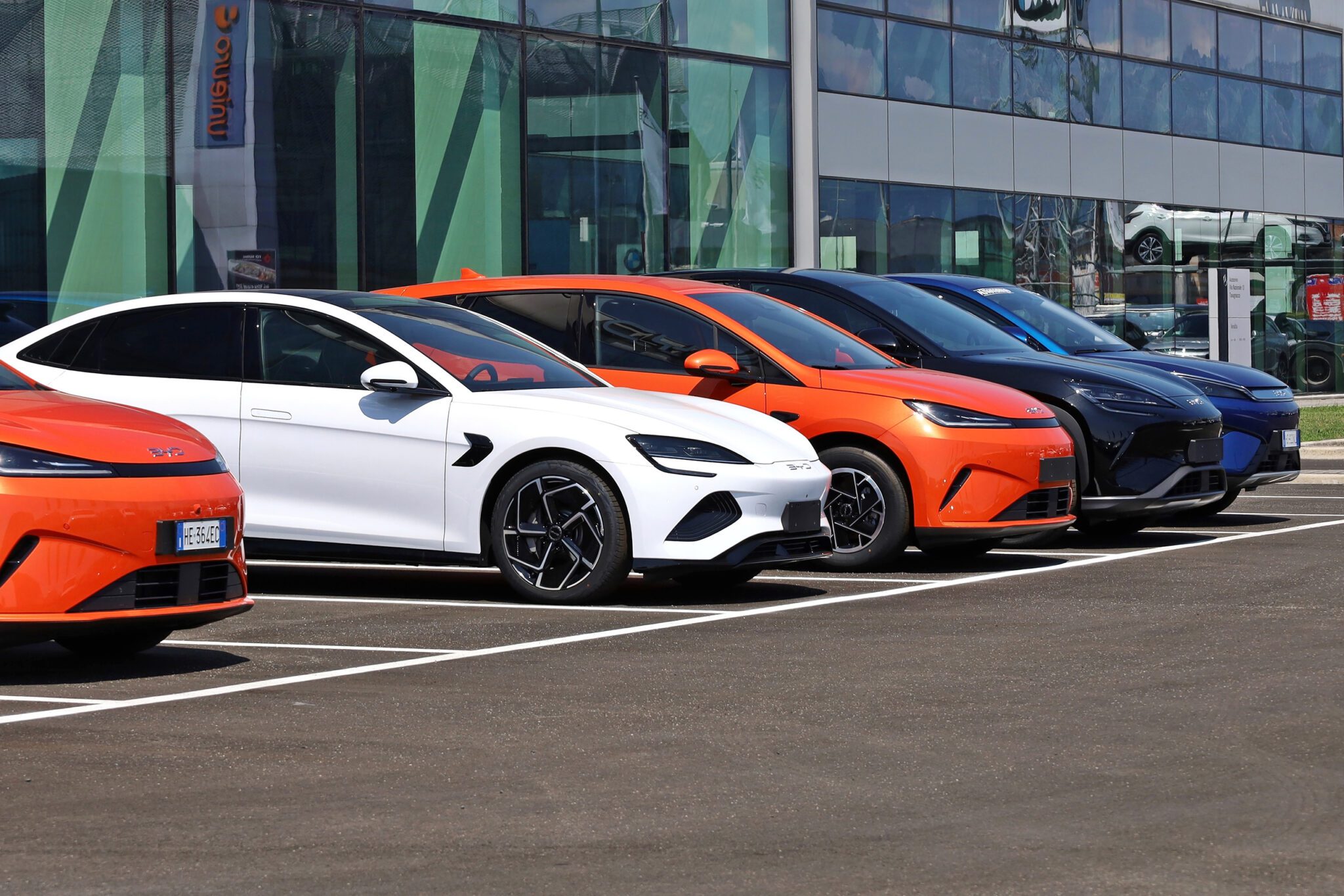
BYD has narrowed its search for additional European manufacturing sites down to two candidates: France and Spain. The disclosure, made during interviews at the Paris Motor Show, signals the clearest picture yet of how the Chinese automaker intends to shift from shipping vehicles into Europe to building them there.
The timing is telling. The announcement came only days after the European Union introduced measures aimed at capping imports of Chinese hybrids. What Brussels framed as a defensive trade move appears to be producing a side effect that policymakers may actually welcome: Chinese exporters turning into European employers.
BYD’s ambitions for the region are substantial. The company says it wants to grow its European workforce beyond 40,000 people by 2030. That scale of hiring would represent a significant footprint, and it explains why national governments are competing to host the new plants rather than simply erecting barriers.
France’s aggressive posture on tariffs has been a point of contention within the EU, but it may ultimately serve as a bargaining chip. By pushing hard for protective duties, Paris could position itself as a destination of choice for the very companies those duties target — a dynamic that trade analysts have long noted as one of the unintended consequences of import restrictions.
For BYD, the calculus is straightforward. Local production avoids tariff exposure, shortens supply chains, and gives the brand a European identity that resonates with buyers. Spain, with its lower labor costs and existing automotive clusters, remains a serious contender. Which country wins out will depend on incentives, infrastructure, and the pace at which Brussels finalizes its hybrid import rules.
The decision will be watched closely across the continent, not least by rival automakers already under pressure from Chinese competition. It also raises a broader question: whether Europe’s tariff wall ends up shielding domestic industry or simply accelerating the arrival of Chinese factories on European soil.
What do you think?