
Foton and Weichai Power Tighten Commercial Vehicle Partnership as China's State Groups Lock In Supply Chains
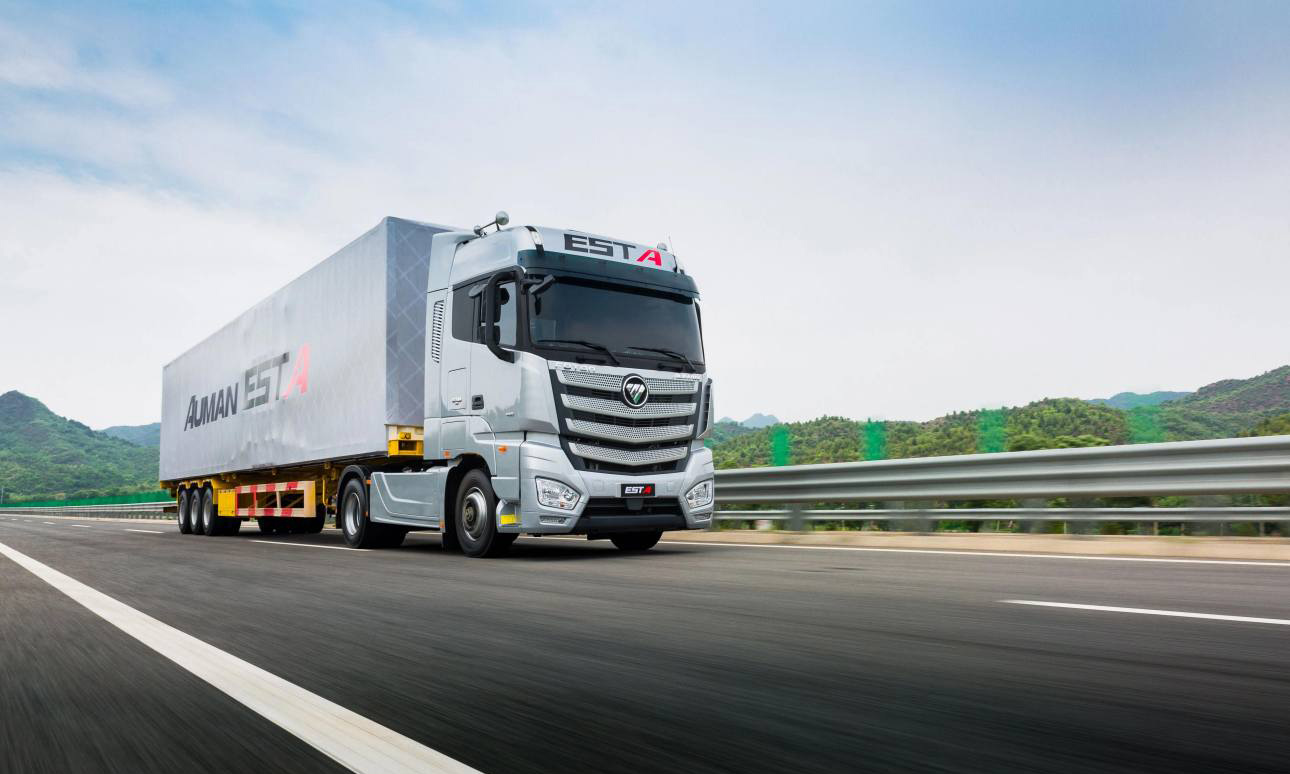
Foton and Weichai Power have moved to strengthen their existing commercial vehicle partnership, signing a new strategic cooperation agreement in Beijing on 21 September 2026. The arrangement runs alongside a broader accord between their respective parent groups, BAIC Group and Shandong Heavy Industry Group, signaling that China’s state-owned industrial conglomerates are increasingly willing to formalize supply relationships at the shareholder level.
The agreement centers on powertrain supply, electrified models and connected vehicle technology. Weichai brings engines, transmissions, integrated powertrains and electrified power systems to the table, while Foton contributes vehicle platforms along with insight into how customers actually operate their trucks. Under the deal, the two sides will coordinate sourcing and development of core components and expand joint research into electrified products. They will also look at connected systems for vehicle monitoring and fleet management, plus resource sharing and joint marketing efforts.
What makes this more than a routine supplier contract is the group-level dimension. Tying a major truckmaker to an established engine and transmission supplier through ownership structures could make the collaboration harder to unwind than a conventional purchasing agreement — a meaningful consideration as the industry’s technology requirements shift. No specific models, specifications or launch timelines were disclosed, leaving the practical output of the agreement still to be determined.
Electrification is the force pushing this coordination forward. In a diesel truck, the boundary between what an engine maker supplies and what a vehicle manufacturer integrates is relatively clear. Battery packs, electric drive units, energy management and vehicle control software, by contrast, have to be engineered as a single system. Splitting that work cleanly between a truckmaker and an outside supplier is considerably more difficult, which gives both sides a reason to align earlier and more deeply.
The timing reflects a wider pattern among Chinese state-owned automotive groups, which appear to be securing their supply chains ahead of a heavier electrification push in the commercial vehicle segment. Whether this particular alliance yields concrete products — or remains a framework for future cooperation — will depend on details the two companies have not yet shared.
What do you think?