
Ford Escape Could Return as an EV on the UEV Platform — But Ford Isn't Confirming Anything
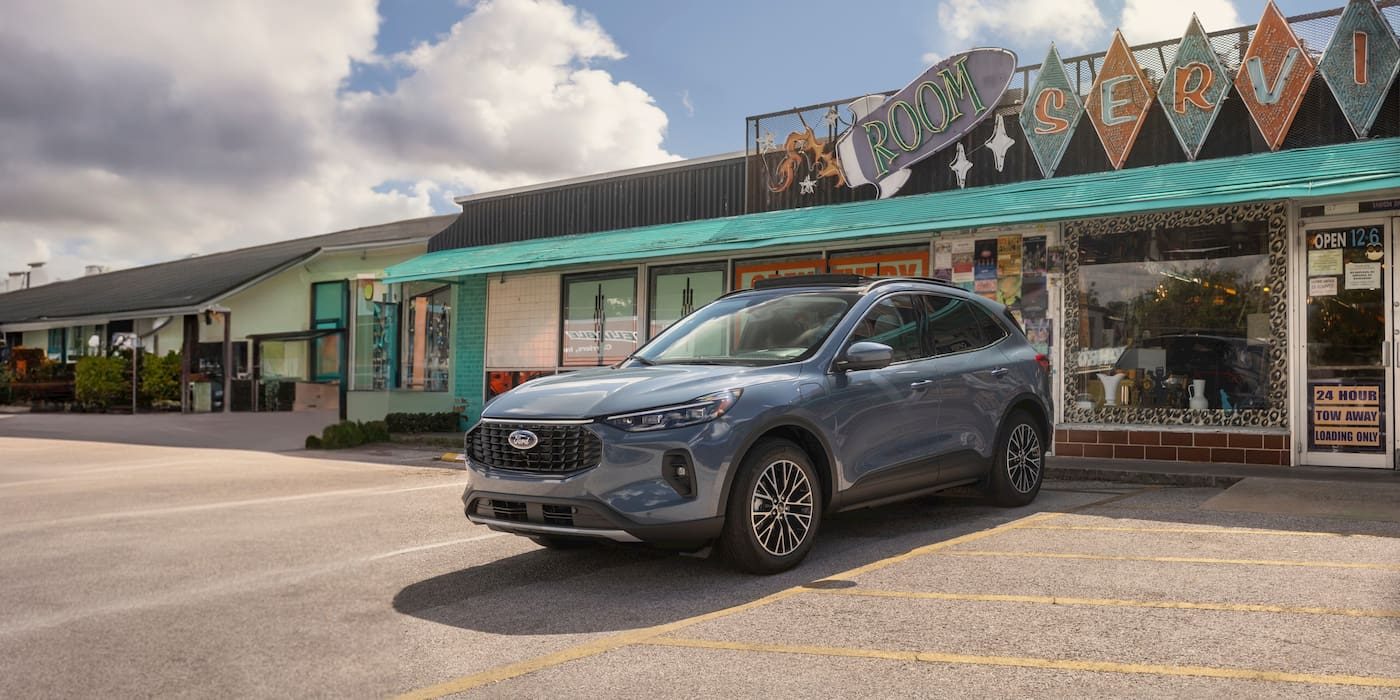
Ford’s compact crossover may get a second life as an electric vehicle, though the company is quick to pour cold water on the idea. A report from Ford Authority claims the Escape — discontinued last year after a 25-year run — will come back as an all-electric SUV built on Ford’s new Universal Electric Vehicle (UEV) platform. Ford, however, says that’s speculation.
A company spokesperson told Electrek that Ford has not announced the Escape’s return as an EV, nor that it would ride on the UEV architecture. So treat the whole thing as a rumor with a plausible foundation, not a product plan.
The Clues Left Behind
What keeps the story alive is Ford’s own website. When the Blue Oval kills a model, the landing page usually says so plainly — the Edge SUV got the “end of the road” treatment. The Escape page reads differently, telling visitors the SUV “may be taking a breather for now” and that it is “tapping the brakes.” No farewell, no obituary. Just a pause.
That wording alone isn’t proof of anything, but it is the kind of loose thread enthusiasts love to pull on.
Gas-powered Escape production ended at Ford’s Louisville Assembly Plant, where the facility is being retooled for the Fathom electric pickup. If an electric Escape did materialize, the report suggests it would be built at the same Kentucky site in 2029 — potentially the second UEV-based vehicle after the Fathom.
Fathom Sets the Stage
Ford has far more to say about the Fathom, which CEO Jim Farley confirmed on the company’s Q3 earnings call is still tracking toward a fourth-quarter 2026 launch.
Fathom at a Glance: Standard-range pricing from $28,350 · $1,595 delivery fee · Under $30,000 out the door · Preorders open early 2027 · LFP batteries · NACS charge port · BlueCruise hands-free driving
Farley called the pickup “a breakthrough product” — highly capable, innovative and, crucially for Ford’s volume ambitions, affordable. The company argues it lands “right in the heart of the market” once the delivery charge is factored in.
The Fathom also earns a couple of tech firsts. It will be the first vehicle to build Apple Maps directly into its navigation system, and it packs Apple CarPlay and Android Auto as standard along with bidirectional charging. Ford claims more interior room than a Toyota RAV4, before you even count the bed and front trunk.
Battery capacity and range figures remain under wraps. What we do know is that the UEV platform leans on lithium iron phosphate (LFP) cells to keep costs down, and prototypes have been spotted charging at Tesla Superchargers — confirming the NACS port.
Why the Escape Fits the Math
Ford designed the UEV architecture to stretch across a wide range of body styles, from compact crossovers up to pickups and vans. An electric Escape would slot neatly into that spread, and its size would put it squarely against the Toyota RAV4 and Hyundai Tucson — the heart of the compact SUV segment.
For reference, the outgoing gas Escape measured 180.1 inches long, 74.1 inches wide and 66.1 inches tall, with a 106.7-inch wheelbase. Any electric successor is expected to stay close to those dimensions.
None of this is official. Ford’s denial is on the record, and 2029 is a long way off in an industry that rewrites its roadmaps every few quarters. Still, the Escape nameplate carries 25 years of recognition in North America, and that is not the sort of asset automakers toss aside lightly — especially when a flexible, cost-conscious EV platform is already sitting in the toolbox.
Photo: Ford / Electrek · Official Press Kit / Editorial (Editorial / Press Kit)
Source: Electrek
Curious how this compares to other EVs? Try our comparison tool →What do you think?