
EV Realty Buys Ontario, California Site for Heavy-Duty Electric Truck Charging Hub
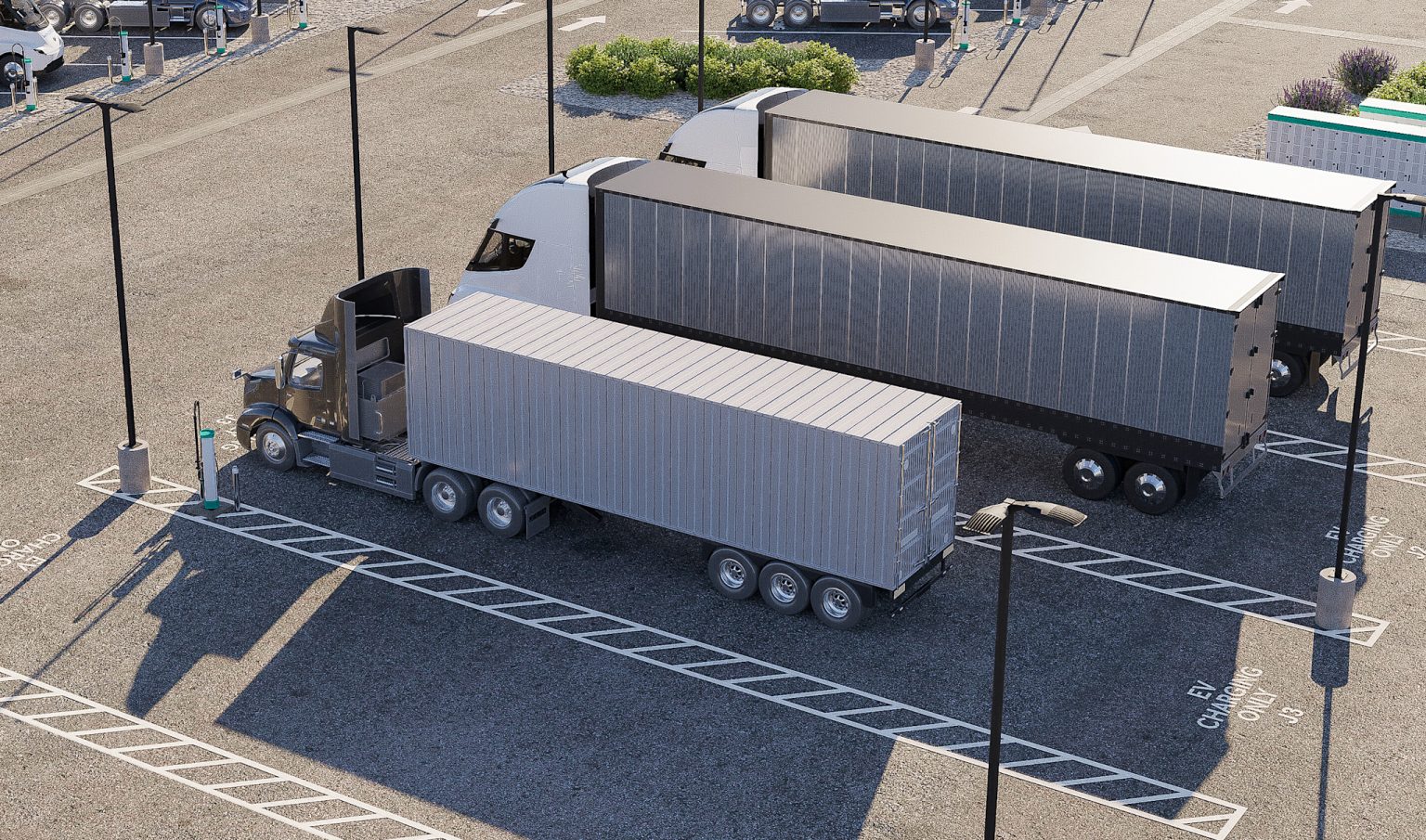
EV Realty, a developer focused on high-power charging hubs for heavy-duty electric fleets, has acquired an industrial property in Ontario, California, to serve as the latest addition to its Powered Properties network. The site sits on Philadelphia Street and is intended to support charging for commercial electric trucks, a segment where uptime and power availability matter as much as the vehicles themselves.
The company’s model centers on securing strategically located real estate with access to sufficient electrical capacity before building out charging infrastructure. Rather than retrofitting an existing depot with whatever power happens to be available, EV Realty targets parcels where the grid can support the high-demand loads that heavy-duty fleets require. That approach reflects a broader reality in the electric truck sector: charging, not driving range, is often the binding constraint on fleet electrification.
Ontario, California, sits within the Inland Empire, a logistics corridor that handles a substantial share of freight movement for the Los Angeles basin and beyond. Warehouses, distribution centers and drayage operations cluster in the area, making it a natural location for depot-style charging that serves trucks returning to base. Placing a hub there means fleets operating regional routes can recharge without detouring far from their normal freight lanes.
The acquisition also highlights how the charging buildout for commercial vehicles is becoming a real estate business as much as an energy one. Land near major freight routes, with the utility capacity to back it up, is a limited resource. Developers that move early to lock in those sites can offer fleets a turnkey alternative to managing their own charging construction, permitting and utility coordination.
For fleet operators weighing electrification, the practical questions are predictable: how much power is available, how quickly can a site be energized, and what does charging cost per mile compared with diesel? Projects like this one are early answers to those questions, and their progress will be worth watching as more heavy-duty fleets look to move beyond pilot programs.
What do you think?