
Europe Softens Stance on 2035 Engine Ban as Combustion Wins Reprieve
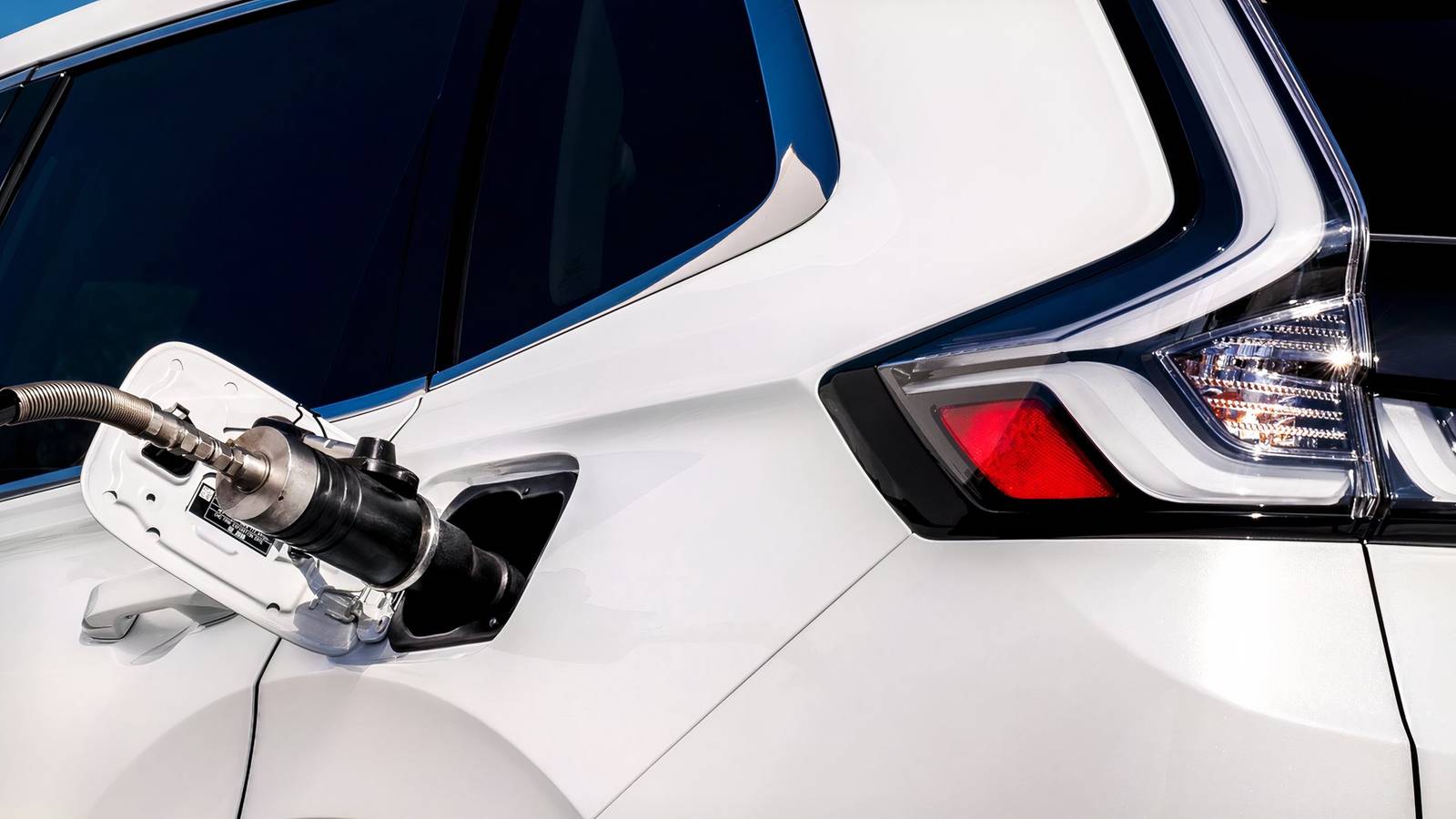
Europe’s ambitious plan to phase out new internal combustion engine cars by 2035 has hit a major roadblock. In a significant policy shift, the European Union appears to be waving the white flag on a strict ban, potentially allowing the sale of combustion-engine vehicles beyond the original deadline. This development marks a victory for traditional automotive manufacturers and a blow to proponents of rapid electrification.
The original plan, part of the EU’s Fit for 55 package, aimed to reduce carbon emissions by 100% for new cars and vans by 2035, effectively banning petrol and diesel engines. However, pushback from key member states, particularly Germany and Italy, has led to discussions about exemptions for synthetic fuels, also known as e-fuels. These fuels, if produced using renewable energy, could allow combustion engines to continue operating in a carbon-neutral manner.
This shift reflects growing concerns about the feasibility of a full transition to electric vehicles (EVs) within the given timeframe. Challenges such as insufficient charging infrastructure, high EV costs, and reliance on critical raw materials from foreign suppliers have made policymakers reconsider. The automotive industry, which has been investing heavily in EV technology, now faces uncertainty about future regulations, potentially delaying some EV projects while extending the life of combustion platforms.
Environmental groups have criticized the move, arguing that it undermines the EU’s climate goals and sends a mixed signal to investors. They contend that e-fuels are inefficient and should be reserved for sectors like aviation where electrification is difficult. On the other hand, supporters argue that a technology-neutral approach is more practical and preserves jobs in the traditional auto sector.
The final decision is still pending, with negotiations ongoing between the European Parliament, Commission, and member states. Regardless of the outcome, this debate underscores the complexities of transitioning to a sustainable transport system and the influence of legacy industries in shaping policy.
What do you think?