
Embodied Carbon Moves to the Policy Frontline as States Rethink Building Rules
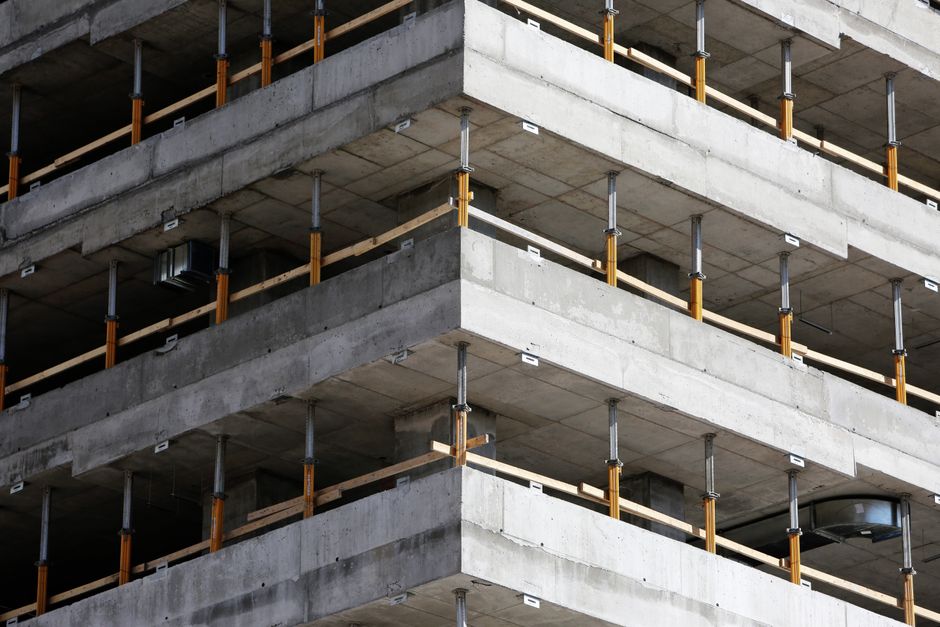
For years, the climate conversation around buildings has revolved around the energy used once a structure is occupied — heating, cooling, lighting and the appliances plugged into the wall. A newer focus is gaining ground: the pollution baked into the materials themselves. States are now treating embodied carbon as a practical lever for emissions cuts, according to a policy playbook examining how that shift is unfolding.
The tools being discussed are familiar to anyone following green building policy. Building codes can be updated to encourage or require lower-carbon materials, while “Buy Clean” programs use public procurement — roads, schools, offices — to reward manufacturers who disclose and reduce the footprint of steel, cement and similar staples. Together, these approaches target emissions generated before a building ever opens its doors.
What makes the subject appealing to policymakers is the breadth of the benefits. Cleaner material production tends to mean cleaner air and less industrial pollution in the communities where plants operate, and it can support domestic manufacturing rather than simply shifting emissions overseas. Supporters also argue the approach fits neatly alongside existing energy-efficiency efforts, layering long-term savings on top of shorter-term gains.
Still, the playbook points to hurdles. Embodied carbon is harder to measure and verify than a utility bill, and the industries involved are capital-intensive, with long investment cycles. Cost concerns and competitive pressure remain part of the debate, which is why policy design — how ambitious the targets are and how quickly they bite — matters as much as the goals themselves.
For the wider shift toward cleaner transportation and energy, the message is consistent: emissions are rarely confined to a tailpipe or a smokestack. As states refine their strategies, the embodied carbon question looks less like a niche technical issue and more like the next chapter of climate policy.
What do you think?