
Dodge Bids Farewell to the Hellcat V8: What Drove the Decision?
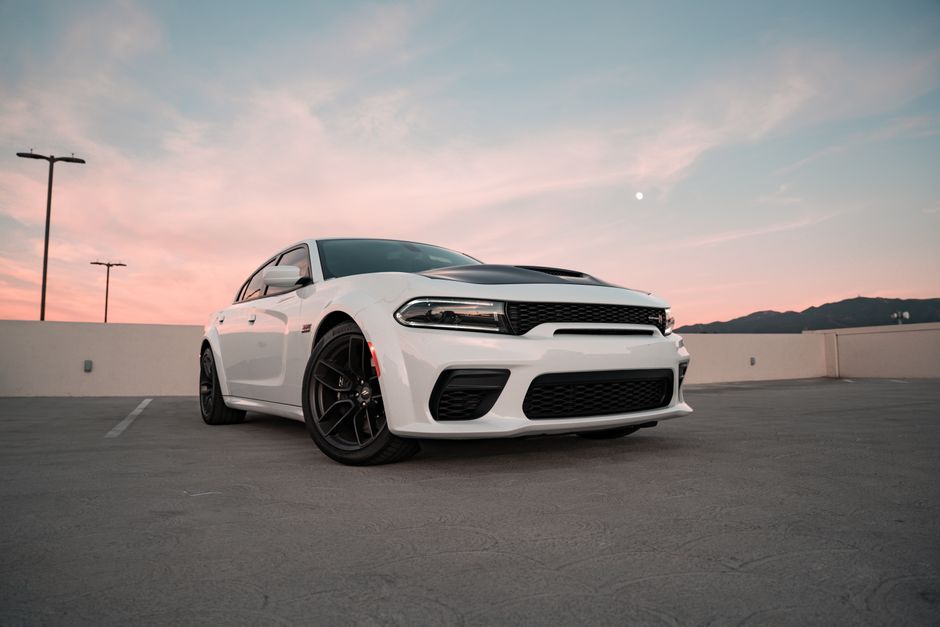
Dodge has officially ended production of the Hellcat engine, a supercharged 6.2-liter V8 that became a symbol of raw American muscle. The move marks a significant shift for the brand as it navigates stricter emissions regulations and a broader industry transition toward electrification. The Hellcat, known for its whining supercharger and tire-shredding power, had been a cornerstone of Dodge’s performance lineup for years.
So why discontinue such an iconic powerplant? The answer lies in a combination of regulatory pressure and changing market dynamics. Increasingly stringent fuel economy standards, particularly in key markets like California, have made it difficult to keep high-displacement, low-efficiency engines in production. Additionally, Dodge’s parent company, Stellantis, has committed to a multi-billion-dollar electrification strategy, signaling a clear pivot away from traditional gas guzzlers.
The Hellcat’s demise doesn’t mean the end of Dodge performance, though. The brand has already introduced electrified alternatives, including the all-electric Charger Daytona SRT concept, which hints at a future where muscle cars run on batteries. While purists may mourn the loss of the supercharged V8 rumble, Dodge is positioning itself for a new era of performance that balances power with sustainability.
For now, the Hellcat remains a legendary chapter in automotive history, but its discontinuation underscores the seismic shifts reshaping the industry. As automakers race to meet electrification targets, iconic engines like the Hellcat are becoming relics of a bygone era.
What do you think?