
Czinger 21C Spyder Introduces Topology-Optimized Brake Assemblies
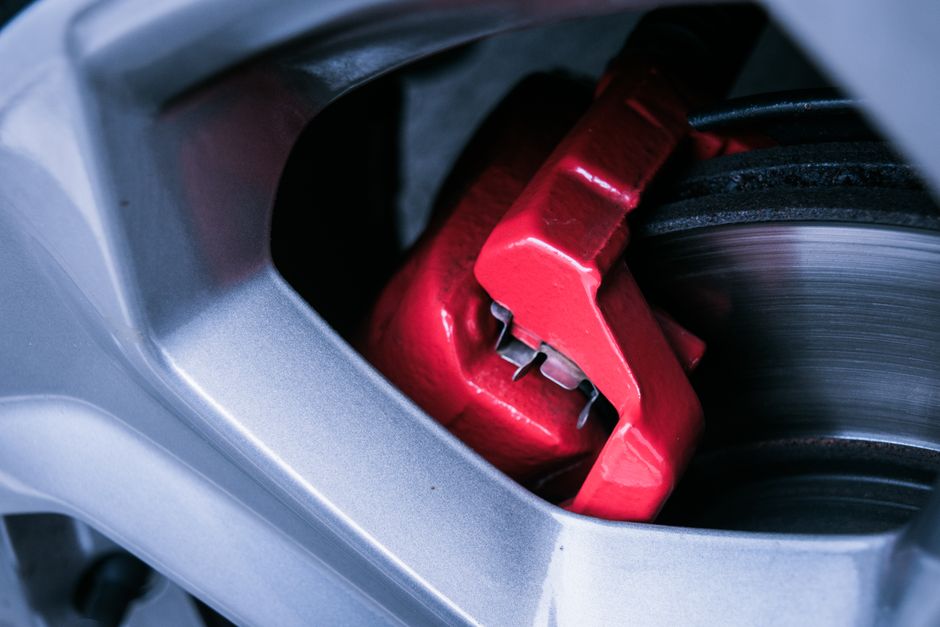
Czinger’s latest hypercar, the 21C Spyder, is pushing the boundaries of additive manufacturing. The California-based automaker has unveiled brake assemblies that look almost organic, a result of using topological design and 3D printing. These components are not merely aesthetic; they are engineered to reduce weight and improve performance while maintaining structural integrity.
The process involves generative design software that mimics natural growth patterns, creating complex lattice structures that are impossible to achieve with traditional CNC machining. Czinger claims these brakes offer superior thermal management and stiffness-to-weight ratios, which are crucial for a vehicle with the 21C’s performance credentials.
This marks a significant step in the automotive industry’s adoption of advanced manufacturing techniques. By integrating such components, Czinger demonstrates how computational design can lead to more efficient and sustainable production methods, potentially paving the way for broader use in mainstream vehicles.
What do you think?