
China's Hybrid Export Squeeze: EU Deal, UK Tariff Threats and BYD's US Retreat
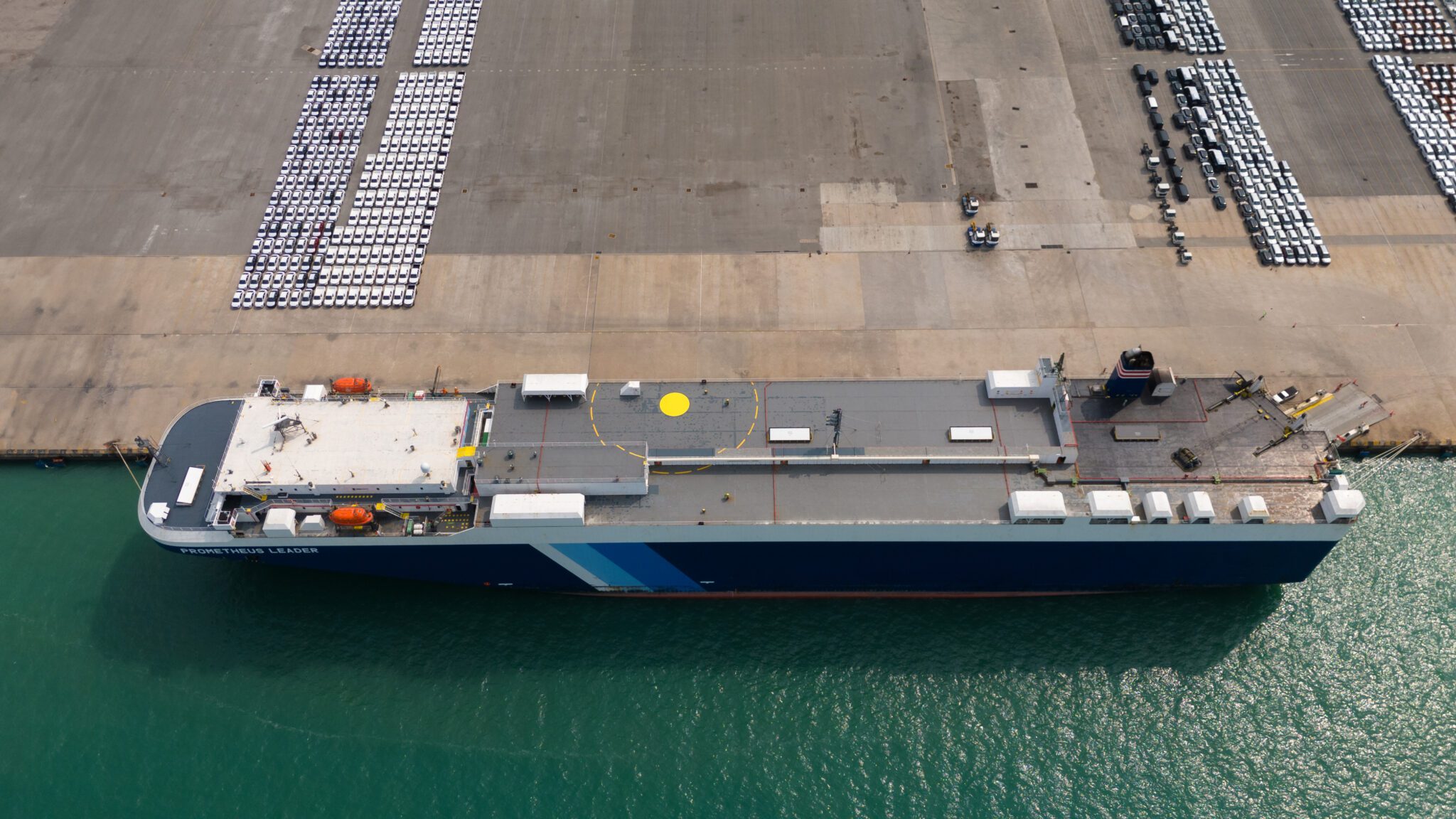
China’s automakers are facing a tightening wall of trade barriers in their two most important export markets, with Brussels and London both moving to slow the flow of Chinese-built vehicles while BYD signals it is stepping back from the world’s second-largest car market entirely.
The week’s most consequential development came from Brussels, where the European Union and China reached a tentative understanding on limiting shipments of Chinese-made hybrids and plug-in hybrids into the bloc. The arrangement marks a notable widening of the EU’s defensive posture, which until now had focused on battery-electric vehicles. By extending scrutiny to hybridised powertrains, European policymakers are effectively closing a loophole that Chinese manufacturers had been using to sidestep existing BEV duties while still offering electrified products at aggressive prices. Nothing has been finalised, but the direction of travel is clear.
Across the English Channel, the UK is reportedly drawing up its own tariff regime aimed at Chinese-built electric vehicles. London had previously kept a lighter touch than Washington or Brussels, so the shift would represent a meaningful change in posture for a market that has become a significant destination for Chinese brands. The reported plan comes as several Chinese marques have been building UK dealer networks and launch pipelines, meaning any new levy would land just as those investments begin to mature.
BYD, meanwhile, has confirmed it has shelved its ambitions to sell passenger cars in the United States, pointing to geopolitics as the single biggest obstacle to its global expansion. The decision removes the world’s largest EV maker from one of its most talked-about potential markets and underscores how political risk, rather than product competitiveness, now shapes the company’s international footprint. BYD’s retreat does not affect its operations in Europe, Southeast Asia or Latin America, but it signals that trade policy has become the decisive variable in its growth story.
On a brighter note for Chinese manufacturers, Xiaomi’s Sky Nomad series reportedly attracted more than 70,000 orders during its first month on sale. Even so, the electronics giant remains well short of the pace required to hit its 2026 delivery target, a reminder that order books and actual production ramp-up are two very different measures in China’s crowded EV arena. Xiaomi’s early traction shows the brand still carries consumer appeal, but converting that interest into sustained volume will be the real test.
What do you think?