
China's $7.5B Hybrid Surge Into Europe Faces New Limits Under EU Trade Deal
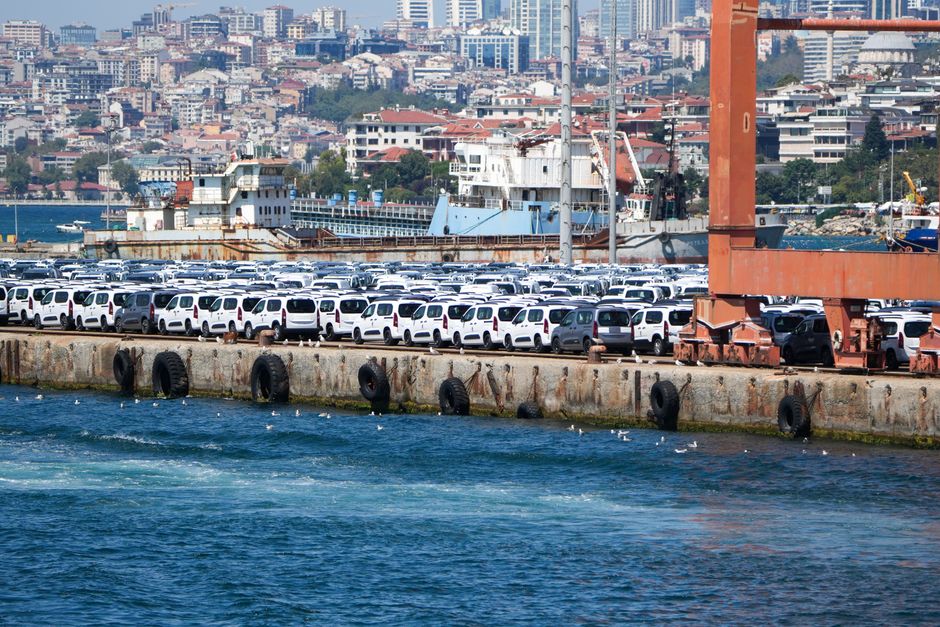
Chinese automakers have built a $7.5 billion hybrid vehicle export business targeting Europe, but that booming trade lane is now facing new restrictions tied to an emerging China-EU trade agreement, according to a Reuters report. The curb marks a significant shift for manufacturers that had leaned on hybrids as a workaround to European tariffs aimed primarily at fully electric vehicles.
Hybrids — including conventional and plug-in models — had become an attractive entry point for Chinese brands in Europe. Because the EU’s initial tariff framework focused more heavily on battery-electric imports, hybrids faced lower duties, giving companies like BYD, Geely, and SAIC an opening to grow market share while avoiding the steepest penalties. That strategy helped Chinese hybrid exports to Europe swell to roughly $7.5 billion, a figure that underscores how quickly the segment grew.
The proposed China-EU deal would tighten the rules around hybrid imports, potentially closing the loophole that made them so appealing. While the exact mechanics remain under negotiation, the direction is clear: Brussels wants to ensure that its trade defenses cover the full spectrum of electrified vehicles, not just pure EVs. For Chinese manufacturers, that could mean higher costs, reduced margins, or a need to rethink their European product mix.
The development arrives as European legacy automakers continue to press their governments for stronger protections against low-cost Chinese competition. European producers have argued that Chinese hybrids, often priced aggressively, undercut local offerings and threaten jobs and investment in the region’s automotive sector. The new curbs would represent a partial win for those lobbying efforts, though the final terms of any deal could still evolve.
For consumers in Europe, the immediate impact may be less choice at lower price points if Chinese hybrid imports slow. For the global auto industry, the episode highlights how trade policy is increasingly shaping the pace and geography of the electric and electrified transition — and how quickly the rules of the road can change for manufacturers caught in the middle.
What do you think?