
Chevy Trax Real-World Test: 27.7 MPG and a Lesson in Honest Numbers
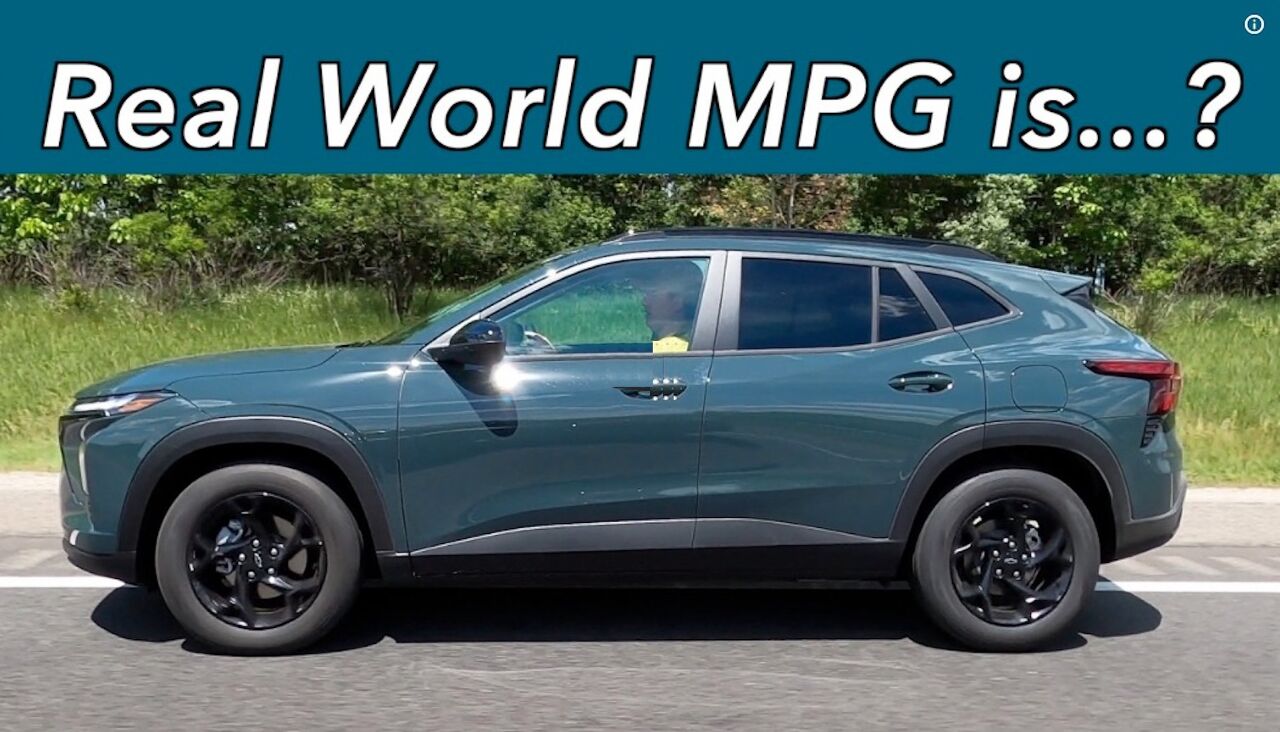
A full tank, several days of Detroit traffic, and one long highway run: that’s the recipe journalist Robin Warner used to find out what the 2026 Chevrolet Trax LT actually returns at the pump. The answer lands around 27.7 mpg in mixed driving — comfortably in the neighborhood of the crossover’s 28 mpg city rating, but a step behind its 32 mpg highway figure.
The Trax makes its case with a turbocharged 1.2-liter three-cylinder sending 137 horsepower and 162 pound-feet to the front wheels. Front-wheel drive is the only layout on offer. Warner went in braced for a buzzy little triple and came away surprised by how smooth it felt in normal use.
The Tank, Mile by Mile
Things started badly, as they often do. A first stint of aggressive around-town driving over roughly 72 miles dragged the average down to 23.7 mpg. Once the highway miles piled up on trips into downtown Detroit, the trip computer climbed into the upper twenties and settled at 27.8 mpg.
By the time the tank ran dry, the numbers were:
- Distance covered: 341.9 miles
- Fuel burned: 12.352 gallons
- Trip computer average: 27.8 mpg
- Hand-calculated average: 27.7 mpg
The two figures sitting a tenth of a mile apart is a good sign — the car’s onboard estimate isn’t telling stories.
Tank Results: 341.9 miles · 12.352 gallons used · 27.7 mpg calculated · 27.8 mpg displayed
What 75 mph Actually Costs You
A separate out-and-back highway loop of about 40 miles, run with cruise control locked at 75 mph, returned 30 mpg. Solid for a budget crossover, yet still two mpg shy of the EPA’s highway claim. Warner’s read is simple: the official number probably needs a gentler right foot. Wind and weather play their part too, so real-world results will drift.
Worth noting is that the overall test skewed heavily toward highway work — roughly two-thirds highway, one-third city — and the Trax still averaged close to its city rating. That tells you sustained speed isn’t this powertrain’s happy place.
The Tech Nobody Talks About
Buried in the fuel logs is a detail that matters more than it sounds: Chevrolet lets drivers toggle between plain cruise control and adaptive cruise control. Warner singles this out as genuinely useful, since sometimes you’d rather manage the gap to traffic yourself than let the car do it.
The rest of the kit is modern and complete:
- Following-distance indicator showing the time gap ahead
- Digital instrument cluster plus a central infotainment screen
- Wireless Apple CarPlay and wireless phone charging
- USB ports and a trip computer with economy readouts
- Gauges for battery voltage, coolant temperature and maintenance info
Why This Test Matters
At roughly **$28,000 as tested**, with the lineup opening below $25,000, the Trax sits in shrinking territory. Entry-level new cars are getting scarce, and Warner’s main takeaway isn’t the fuel figure — it’s the value. Seats are comfortable, the cabin is better isolated than the price suggests, and the layout is practical.
Is it the most efficient or most polished small SUV out there? No. Hybrids will beat it on fuel, and pricier rivals offer more room and refinement. But for a buyer who wants crossover shape, usable cargo space and honest efficiency without stretching the budget, the Trax makes a surprisingly strong argument.
Source: The Truth About Cars
What do you think?