
Canada's Shift on Chinese EVs Reveals a Strategy Tesla Knew All Along
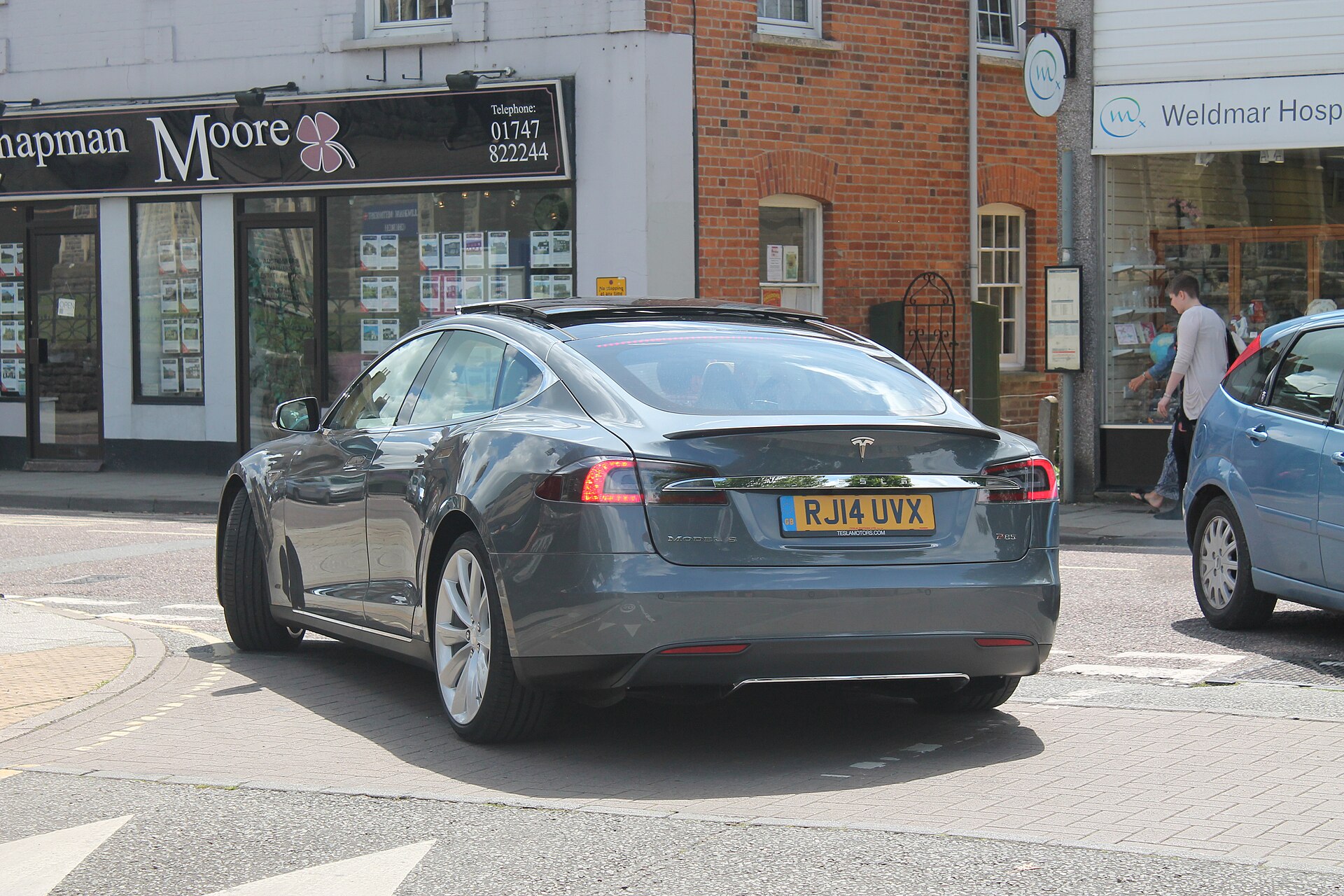
Canada’s decision to once again permit a limited number of Chinese-built electric vehicles into its market at the standard 6.1% tariff has revived a conversation many thought was settled. When Ottawa first announced the move in January, the reaction from Detroit was swift and protective, framing the policy as a threat to domestic manufacturing.
But the economics tell a different story. The tariff structure does not hand Chinese automakers an open door; it restores a workable trading environment that had been disrupted. Tesla, which has long produced vehicles in China for global export, understood this dynamic before the debate even started — its Shanghai operations demonstrated that Chinese manufacturing can serve markets far beyond Asia without undermining local industries.
That lesson is now playing out in Canada. Rather than a giveaway, the policy is a recalibration that acknowledges how deeply integrated the EV supply chain has become. Automakers that treat China solely as a competitive threat risk missing the broader point: cost-competitive production is a feature of the global market, not a flaw to be legislated away.
The real question is not whether Chinese EVs will enter Canada, but whether legacy manufacturers will respond with better products and smarter pricing instead of relying on tariffs as a shield.
What do you think?