
California's Tire Particle Law: Overreach or Environmental Necessity?
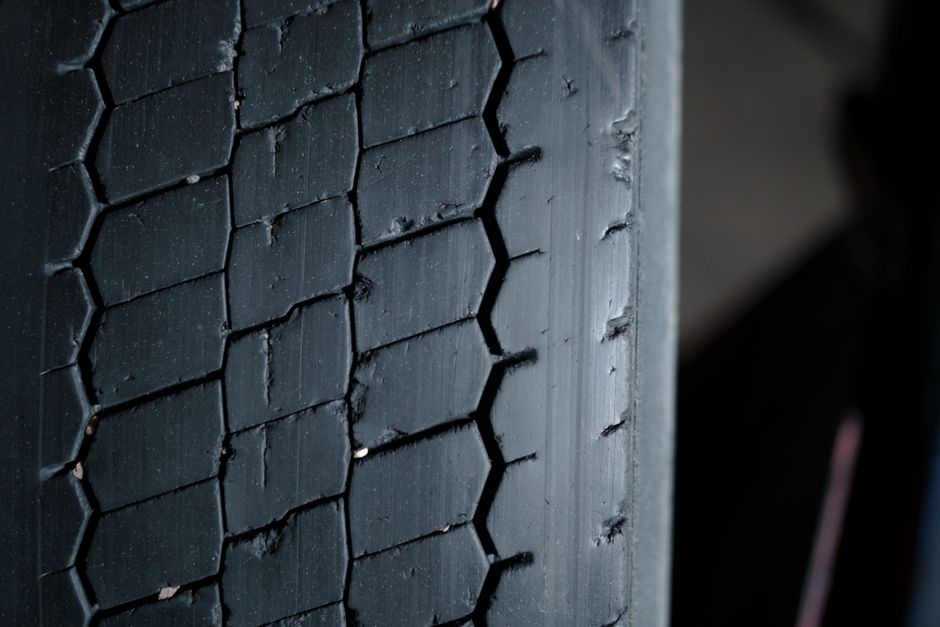
California has long been a pioneer in environmental regulation, often setting trends that other states eventually follow. The latest addition to its regulatory arsenal is a law targeting tire wear particles—microplastics that are released as tires degrade on roads. While the state’s intent to reduce pollution is clear, critics argue that the new rule imposes significant compliance costs on tire manufacturers and consumers alike.
The law requires tire makers to develop and implement plans to minimize particulate emissions from their products, aiming for a 25% reduction by 2032. Supporters point to studies showing that tire particles contribute substantially to microplastic pollution in waterways, harming marine life and potentially human health. They see this as a necessary step to hold industries accountable for the full lifecycle of their products.
Opponents, however, question the feasibility and scientific basis of the regulation. They note that tire wear is influenced by driving habits, road quality, and vehicle weight, factors beyond manufacturers’ control. The cost of compliance, they argue, will likely be passed down to consumers, increasing the price of tires at a time when inflation is already a concern.
California’s rules have often sparked debate, but they have also driven innovation in the past. As automakers and tire makers gear up for this challenge, the rest of the country will be watching to see if this regulation truly makes a difference or if it’s another example of regulatory overreach.
What do you think?