
California Opens the Door to Plug-In Balcony Solar for Renters and Apartment Dwellers
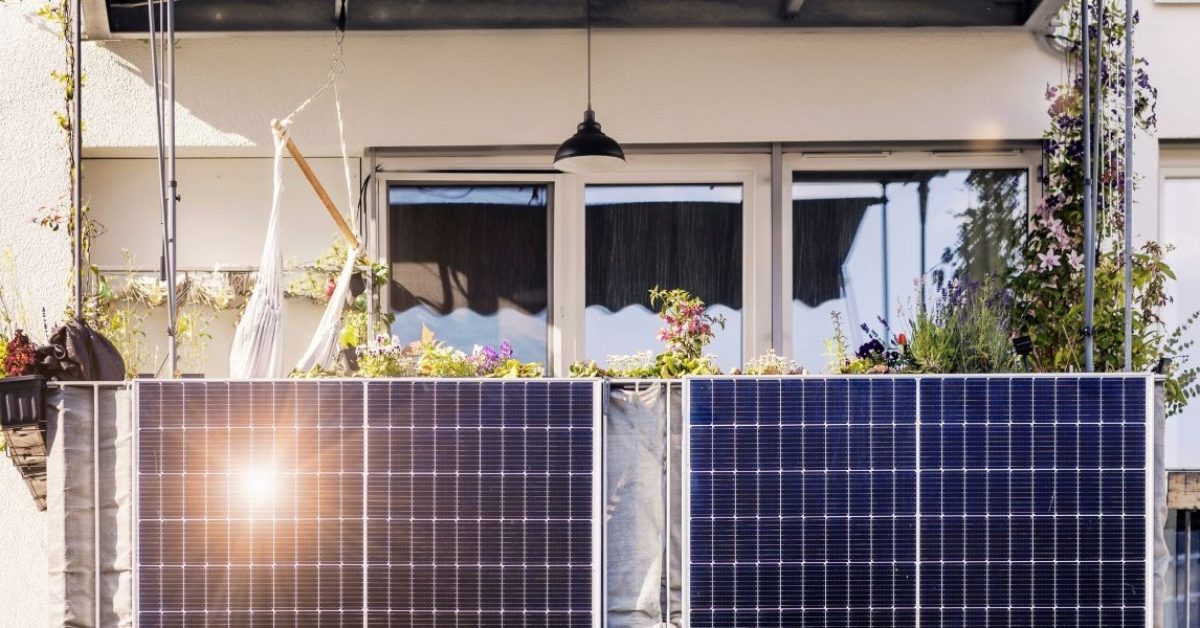
Californians who have no way to put panels on their roof just got a new option for generating their own power. Governor Gavin Newsom signed three energy-related bills on September 30, and the highest-profile one clears a path for small plug-in solar setups — commonly called balcony solar.
The measure, SB 868, allows households to install compact solar systems that sit on a balcony, patio, or backyard and simply plug into a standard 120-volt outlet. Rather than exporting power, these systems offset the electricity a home draws from the grid, trimming the monthly utility bill. The law caps qualifying systems at 1,200 watts AC per household and requires UL certification or an equivalent lab’s approval, compliance with electrical codes, and anti-islanding protection so the panels cannot back-feed the grid during an outage.
The real shift is bureaucratic. Utilities would be barred from demanding interconnection agreements, pre-approval, or device fees for compliant systems, and could only ask for a basic online notification listing the address, make, model, and size. Those limits on utility oversight are set to lapse on January 1, 2030.
Two companion bills from Senator Josh Becker target a different problem: squeezing more value out of equipment customers have already purchased. SB 913 directs regulators to make it easier for virtual power plants — coordinated fleets of home batteries, EVs, and smart thermostats — to count toward utilities’ reliability obligations, with changes due by June 30, 2028. SB 905 requires large investor-owned utilities to disclose how heavily their local grids are loaded and whether batteries or demand shifting could serve local needs more cheaply than conventional upgrades, while also pushing regulators to weigh lower shareholder returns on some utility investments and cheaper financing routes for infrastructure.
What do you think?