
BMW Tests Hydrogen Combustion Truck at Leipzig Logistics Hub
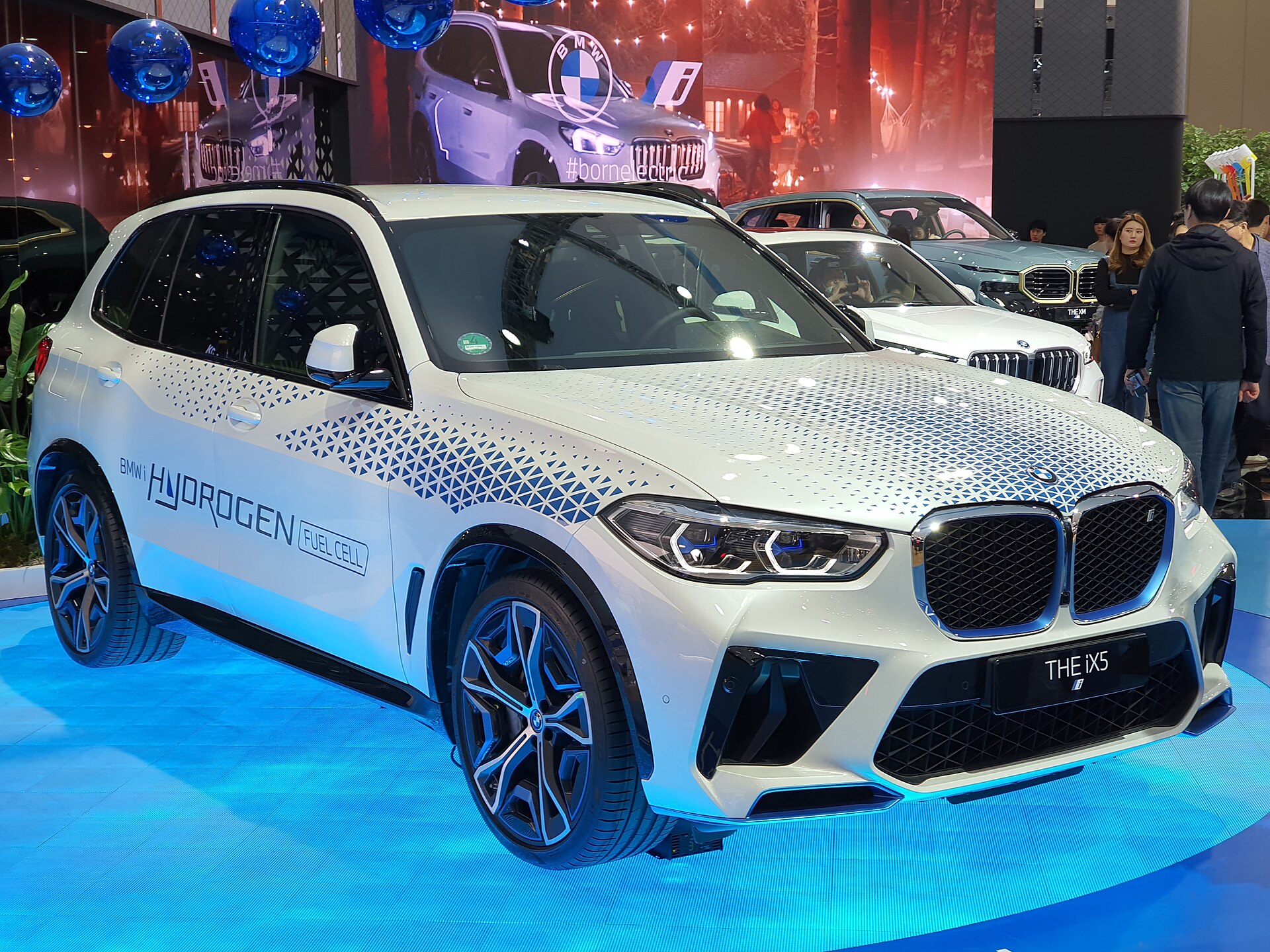
BMW has begun operational testing of a truck powered by a hydrogen combustion engine at its Leipzig facility, marking a significant step in evaluating alternative drivetrains for heavy-duty logistics. Unlike fuel-cell electric vehicles that rely on a chemical reaction to generate electricity, this vehicle burns hydrogen directly in a modified internal combustion engine, producing power with near-zero carbon emissions and minimal other pollutants.
The trial, which is underway at BMW’s Leipzig plant, is designed to assess how hydrogen combustion performs in real-world logistics operations. This includes daily routes, refueling procedures, and overall reliability. The move aligns with BMW’s broader efforts to reduce emissions across its supply chain and manufacturing network, where heavy trucks remain a challenge to electrify due to range and payload requirements.
Hydrogen combustion engines offer a pragmatic alternative for long-haul and high-utilization transport, potentially using existing engine manufacturing infrastructure with modifications. They also avoid some of the critical material dependencies associated with fuel cells and large battery packs. However, the approach has its own hurdles, including the need for hydrogen production, storage, and a dedicated refueling network.
BMW’s pilot at Leipzig will provide valuable data on the viability of hydrogen combustion in a closed-loop logistics environment. The insights could inform future decisions on fleet composition and infrastructure investments, not just for BMW but for the wider automotive industry as it seeks to decarbonize operations beyond passenger cars.
While battery-electric trucks are gaining traction for shorter routes, hydrogen combustion might carve out a niche for heavier, longer-range applications. BMW’s test is one of several industry experiments exploring hydrogen’s role in transport, and its outcomes will be closely watched by stakeholders across the sector.
What do you think?