
BMW Tests Hydrogen Combustion Truck at Leipzig Logistics Center
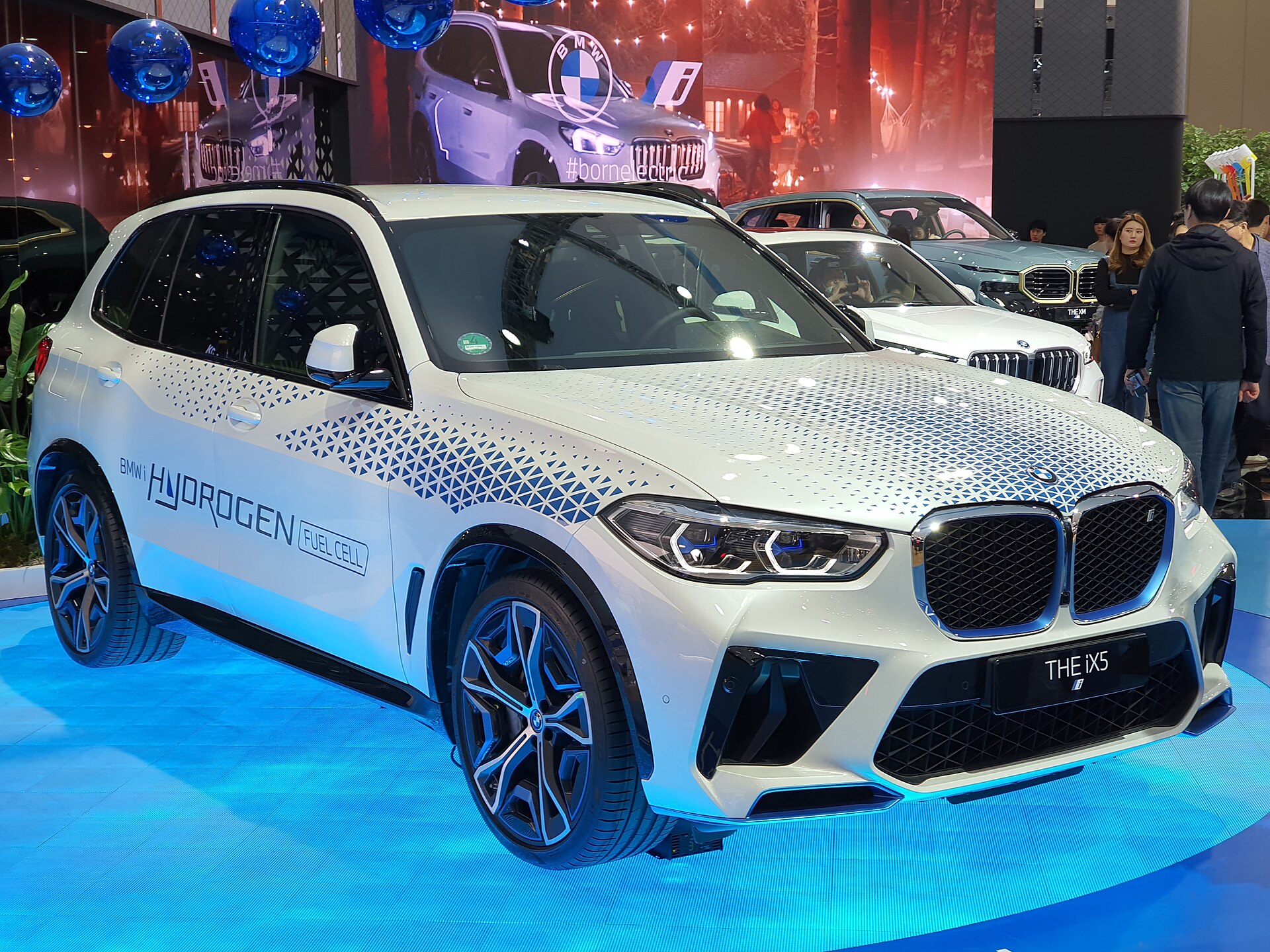
BMW has begun testing a truck powered by a hydrogen combustion engine at its Leipzig facility, according to a report by Automotive World. This pilot marks a significant step in the automaker’s exploration of alternative fuels for heavy-duty transport, though few technical details were immediately available.
The trial involves a truck that runs on hydrogen rather than diesel, a move that aligns with BMW’s broader sustainability goals and the industry’s growing interest in hydrogen as a potential solution for reducing carbon emissions in logistics. While battery-electric trucks are gaining traction for shorter routes, hydrogen combustion engines could offer advantages for long-haul and heavy-load applications, including faster refueling and greater range.
BMW’s Leipzig plant is already known for its focus on electromobility, producing models like the i3 and serving as a testbed for innovative technologies. Testing a hydrogen truck there suggests the company is evaluating a range of powertrain options to decarbonize its supply chain and logistics operations. The trial could also inform future decisions about infrastructure investments and fleet composition.
The announcement comes amid a broader push by automakers to explore hydrogen, despite challenges such as limited refueling infrastructure and the high cost of green hydrogen production. BMW has previously invested in hydrogen fuel cell technology, but this combustion engine trial represents a different approach, one that leverages existing internal combustion engine knowledge while aiming for near-zero emissions.
Details about the truck’s manufacturer, the duration of the trial, and specific performance metrics have not been disclosed. As the pilot progresses, it may provide valuable data on the viability of hydrogen combustion for commercial vehicles, potentially influencing BMW’s long-term strategy and the wider logistics industry’s adoption of alternative fuels.
What do you think?