
BMW and Toyota Team Up to Keep Combustion Engines Alive with Hydrogen Power
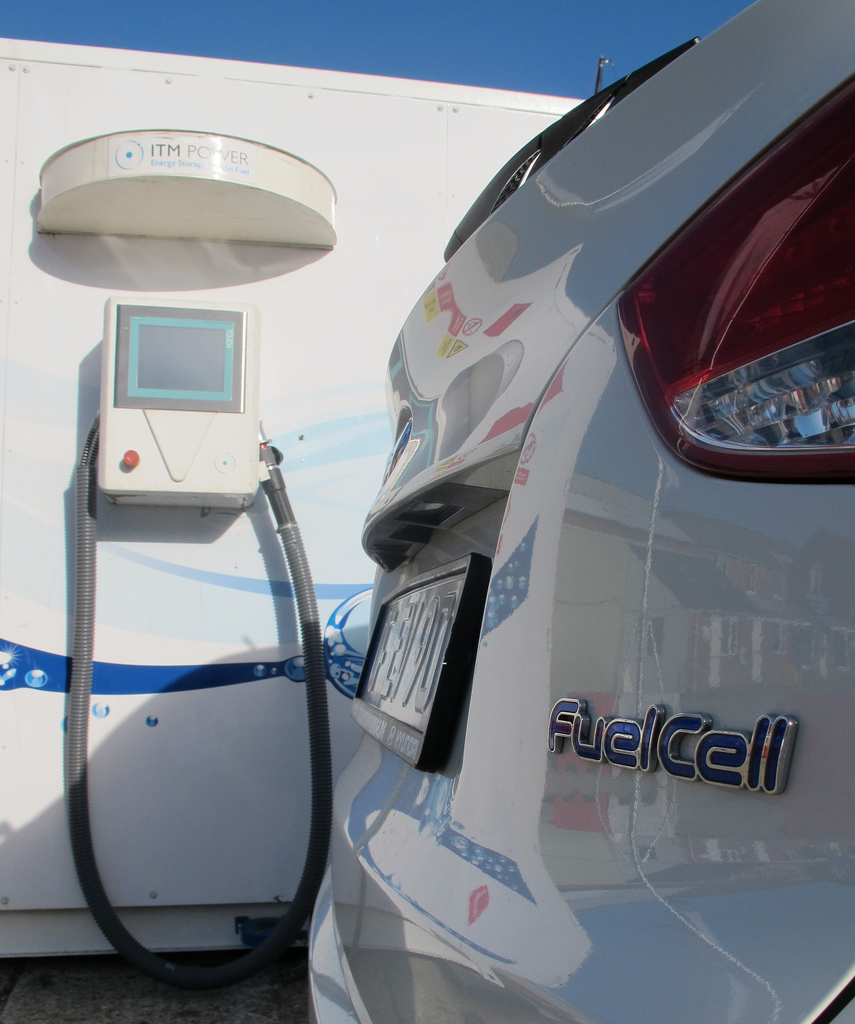
BMW and Toyota are joining forces to develop hydrogen fuel cell technology as a way to extend the life of internal combustion engines. While battery electric vehicles dominate the spotlight, these two automakers see hydrogen as a complementary solution, especially for larger vehicles and long-distance driving where battery weight and charging times are drawbacks.
Their collaborative effort focuses on fuel cell systems that generate electricity from hydrogen, emitting only water vapor. This isn’t about resurrecting traditional gasoline engines, but rather about offering an alternative that retains the convenience of quick refueling and long range. BMW has already experimented with hydrogen in the past, and Toyota’s Mirai has been on the market for years, though adoption has been slow due to limited infrastructure.
The partnership aims to share costs and accelerate development, potentially leading to more affordable hydrogen vehicles. However, the success of this venture hinges on building a widespread hydrogen refueling network, which remains a significant hurdle. Despite the challenges, BMW and Toyota are betting that hydrogen can play a role in a future where zero-emission vehicles aren’t limited to just battery power.
This move comes as governments push for stricter emissions regulations, and automakers explore multiple pathways to reduce carbon footprints. If hydrogen gains traction, it could provide a lifeline for gas-powered cars by offering a cleaner alternative without completely abandoning existing technology.
What do you think?