
Beyond the Taxi Stand: A Rare 1966 Checker Marathon Wagon Surfaces
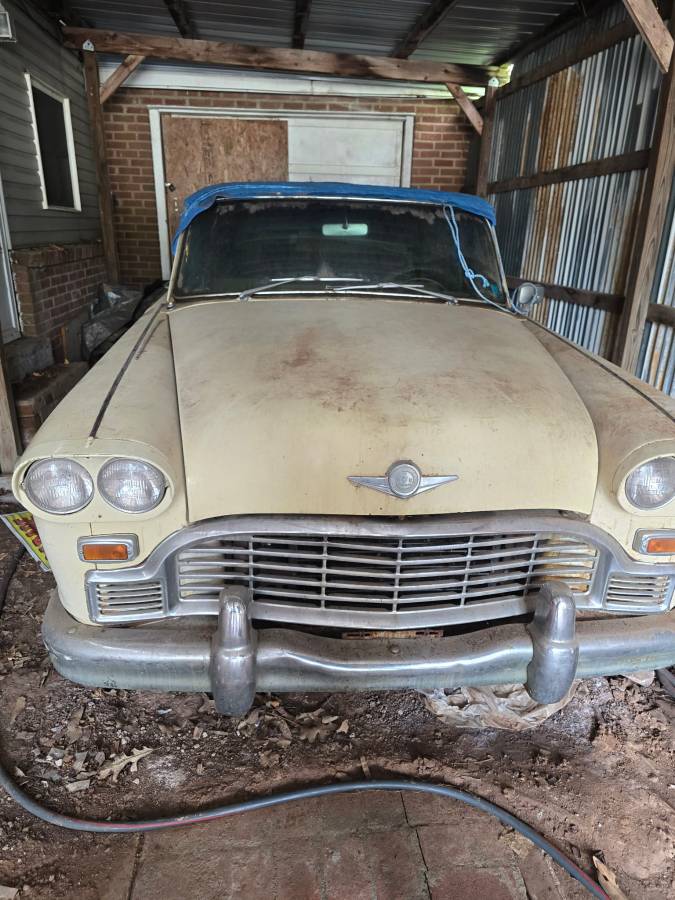
When most enthusiasts hear the name Checker, mental images of idling taxi cabs at a city curb tend to follow. Yet the Kalamazoo-based manufacturer built far more than the purpose-driven sedans that defined its public identity. Hotel shuttles, airport courtesy vehicles, and even station wagons once rolled out of its factory, and the long-roof variants remain some of the least-encountered body styles from the marque. This 1966 Marathon wagon, currently offered in Tulsa through a Craigslist listing at an asking price of $17,000, offers a rare glimpse at Checker’s practical side.
The wagon wears a cream finish over the familiar Checker front fascia, defined by a broad grille flanked by four round headlamps. Its lengthy body was engineered to carry people and luggage in generous quantities, a trait that made the Marathon appealing to fleet operators well beyond the taxi trade. Inside, the seller points to bench seating, air conditioning, tinted glass, and a roomy cabin, while photos also document the V8 sitting under the hood. The listing describes the car as having been stored beneath a tarp with only minimal rust, although the images reveal visible weathering and corrosion around the roof that a buyer should factor into any restoration plans.
One detail that softens the ownership experience for a Checker newcomer is the brand’s long relationship with General Motors. From 1965 onward, Checker sourced Chevrolet inline-sixes and small-block V8s, and later cars also adopted GM automatic transmissions, meaning many routine driveline components can be tracked down through familiar channels rather than through specialty Checker-only suppliers. The Marathon’s core architecture, meanwhile, barely shifted across a 21-year production span, with updates limited largely to mechanical refinements and federally mandated safety and emissions changes. Parts sometimes crossed corporate lines in unexpected ways as well; the front suspension A-arms are said to interchange with those from a 1956 Ford, though any buyer should confirm fitment before ordering.
Additional period context is useful here: lap belts front and rear were already standard equipment by 1966, a small but telling marker of the era’s shifting safety expectations. The Marathon soldiered on until 1982, when the final example left the line and Checker closed its automotive manufacturing operation for good, cementing the model as a genuine piece of American industrial history.
Prospective owners should approach this particular example with clear eyes. The seller notes that the odometer is broken, so the 4,500 miles displayed in the listing cannot be treated as accurate, and the title is reportedly missing as well. Anyone seriously considering the $17,000 asking price will want a concrete strategy for resolving the paperwork before committing funds. For the right buyer, though, a Checker wagon represents the chance to own a sturdy, parts-friendly curiosity that stands apart from the taxis everyone remembers.
What do you think?