
Audi's A2 e-tron Debuts in Paris with 646 km Range and a Faster Development Story
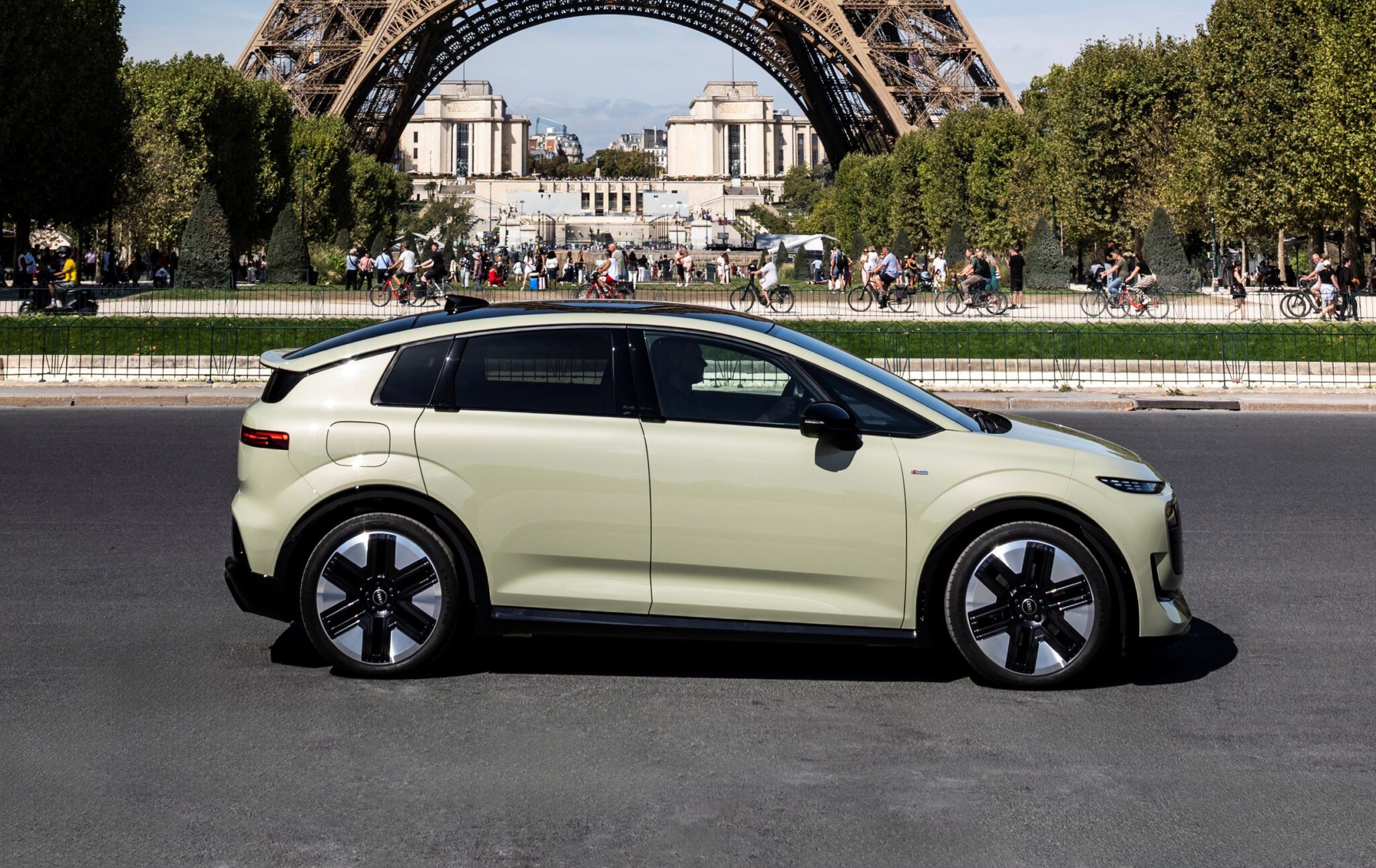
Audi has brought its new A2 e-tron to the Paris Motor Show stage, marking a significant milestone in the brand’s electric compact strategy. Billed as the company’s most energy-efficient model to date, the vehicle posts a rated consumption of just 12.8 kWh per 100 kilometers. This efficiency figure is underpinned by a low drag coefficient of 0.24, which helps the compact EV achieve a maximum range of 646 kilometers on a single charge.
Pricing for the German market starts at €38,200 (approximately US$42,784), with European deliveries scheduled to begin in December. The model, which is manufactured in Ingolstadt, represents a direct effort by Audi to keep production local while meeting aggressive market demands. Order books have been open since September 10, 2026, following its world premiere earlier that month.
The technical specifications reveal a versatile powertrain lineup. Audi lists four distinct power outputs ranging from 125 kW to 240 kW. Notably, the most efficient variant is the 140 kW version, which achieves the lowest consumption figures. The vehicle also supports bidirectional charging, adding a layer of utility for owners looking to feed energy back into the grid or power external devices. The A2 e-tron is being positioned around three core pillars: maximum efficiency, everyday practicality, and digital features that offer tangible benefits.
Beyond the product itself, the A2 e-tron serves as a case study in accelerated development. Audi claims the model reached the road 21 months sooner than comparable predecessors. This acceleration was achieved by reaching production readiness much earlier in the pre-series phase. This compression of timelines is increasingly critical for European automakers, who are currently striving to match the rapid development cycles characteristic of Chinese EV rivals.
The revival of the A2 nameplate pays homage to the original lightweight compact launched over two decades ago, though this new iteration was developed specifically for the European market. Rouven Mohr, Member of the Board of Management for Technical Development at Audi, emphasized the car’s focus on real-world usability. The debut highlights how traditional manufacturers are attempting to blend their established build quality with the speed and efficiency demands of the modern electric era.
What do you think?